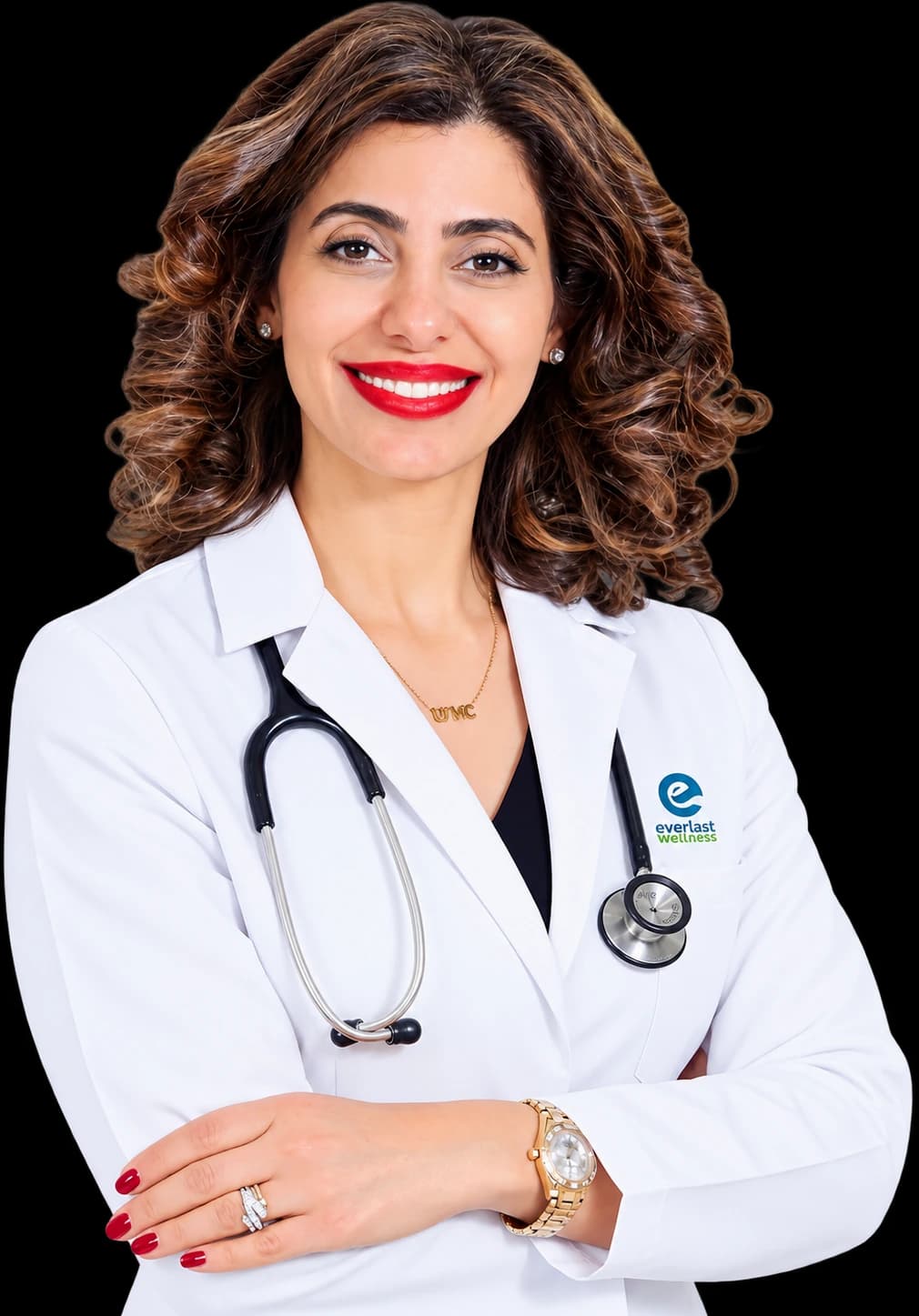
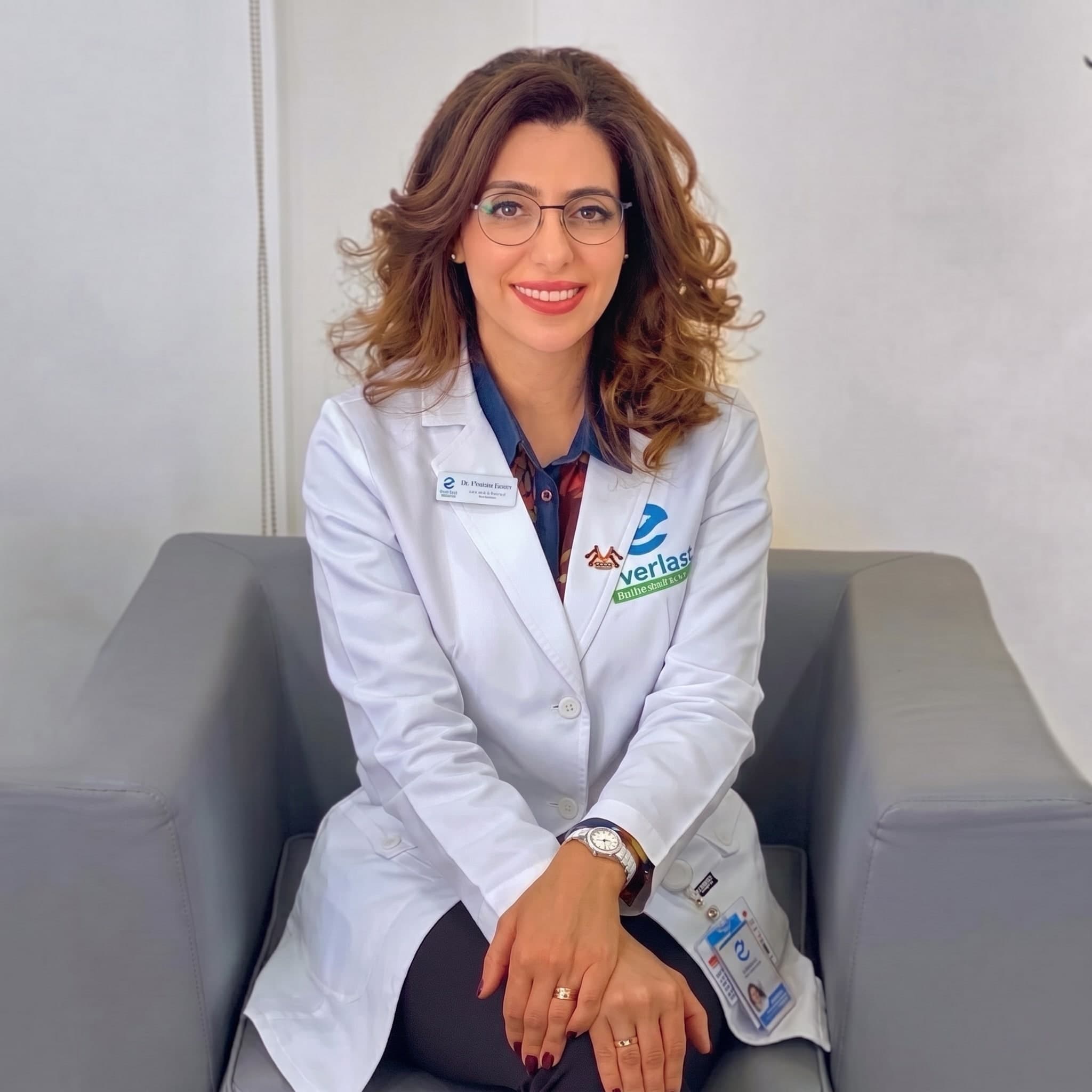
Motivational keynote speaker and subject matter expert for 12 strong years in the field of Aesthetic Medicine. Efficient communicator who engages with diverse audience through insightful presentations on emerging topics in the complex areas of Aesthetics and Dermatology. Active member of the international healthcare community with a passion on furthering standards of excellence in Aesthetic Dermatology spearheading clinically proven and safe best practices. Dynamic mentor dedicated to influencing positive change as a peer adviser, consultant, and healthcare educator.
Special Facilities For My Patients
Follow-Up Care
Dedicated post-treatment support and guidance to monitor progress and ensure satisfaction.
Customized Treatment Plans
Tailored solutions for individual skin concerns, ensuring personalized care for each patient. Rapid Diagnostics: Utilizing cutting-edge tools for swift and accurate diagnoses, enabling prompt treatment.
Advanced Therapies
Providing innovative treatments such as laser therapy, PRP, or targeted medications for effective results.
Aesthetic & Medical Services
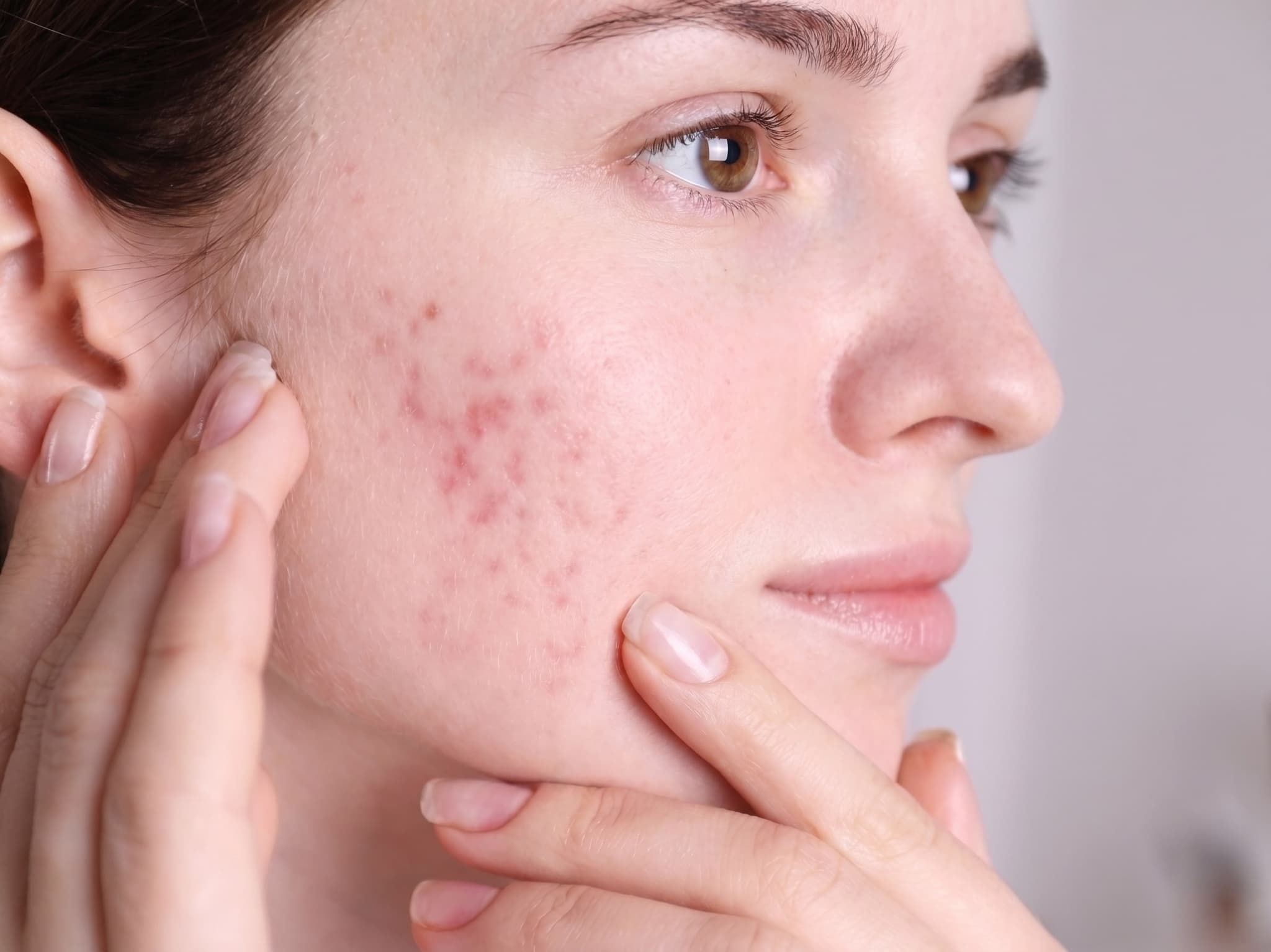
Acne Treatment
Tailored acne solutions integrating topical, oral, and innovative therapies for all acne types and severities, ensuring clear and healthy skin.
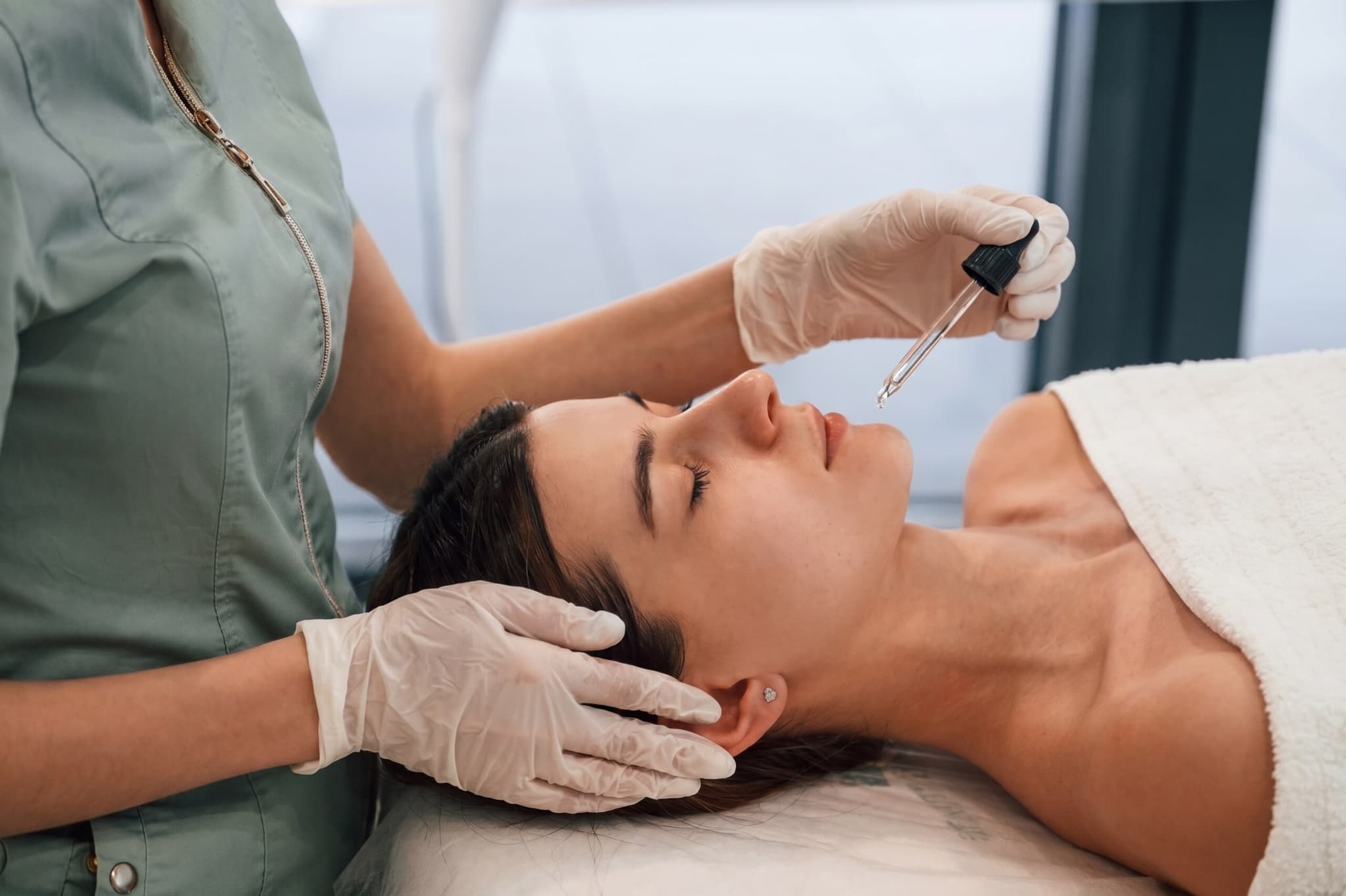
Cosmetic Dermatology
Transform and refresh your appearance through safe, natural-looking procedures like Botox, fillers, chemical peels, and laser treatments, emphasizing rejuvenation and scar reduction for enhanced confidence.
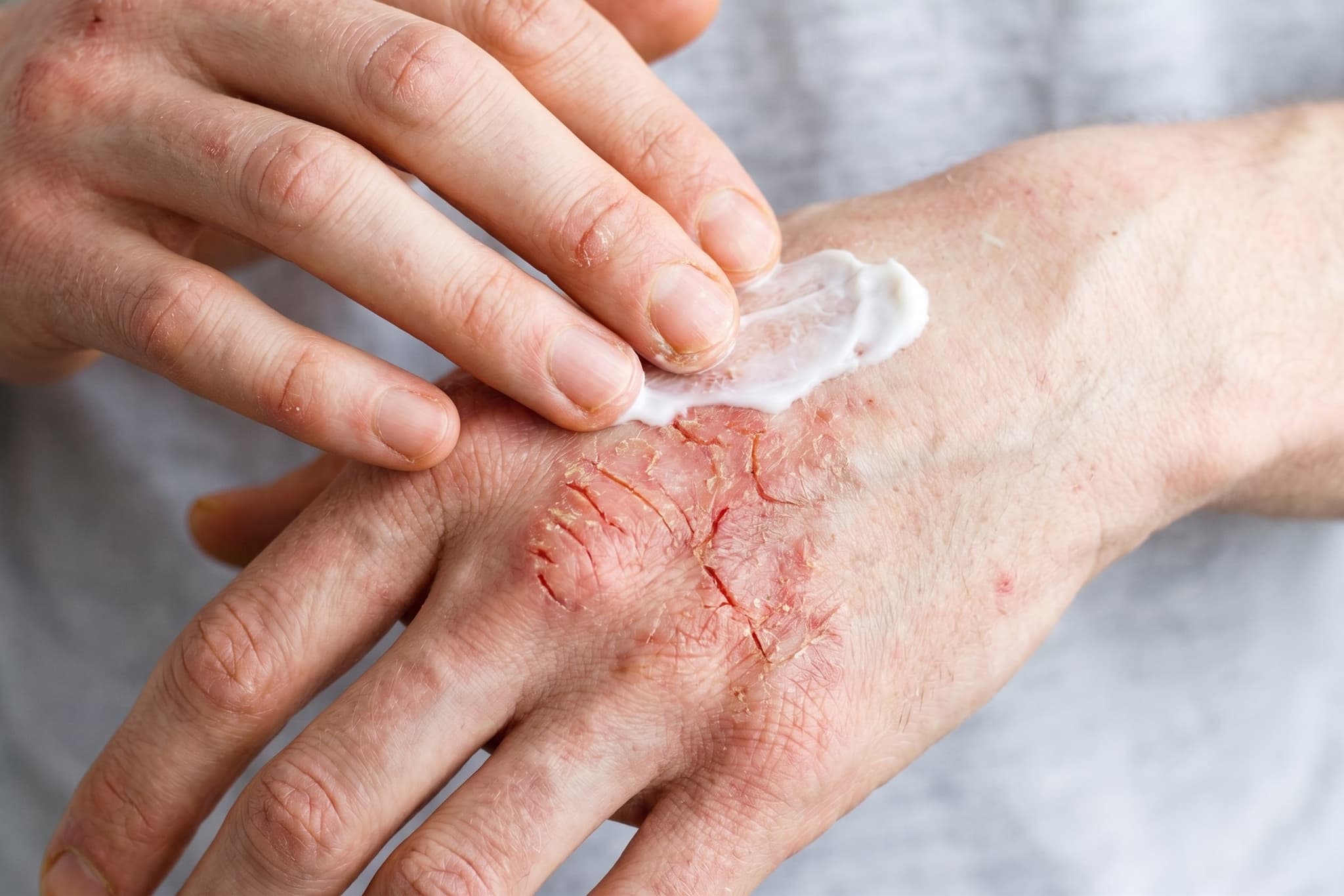
Eczema and Psoriasis Management
Customized management plans addressing eczema and psoriasis with personalized treatments, lifestyle adjustments, and innovative therapies, aiming for long-term skin health.
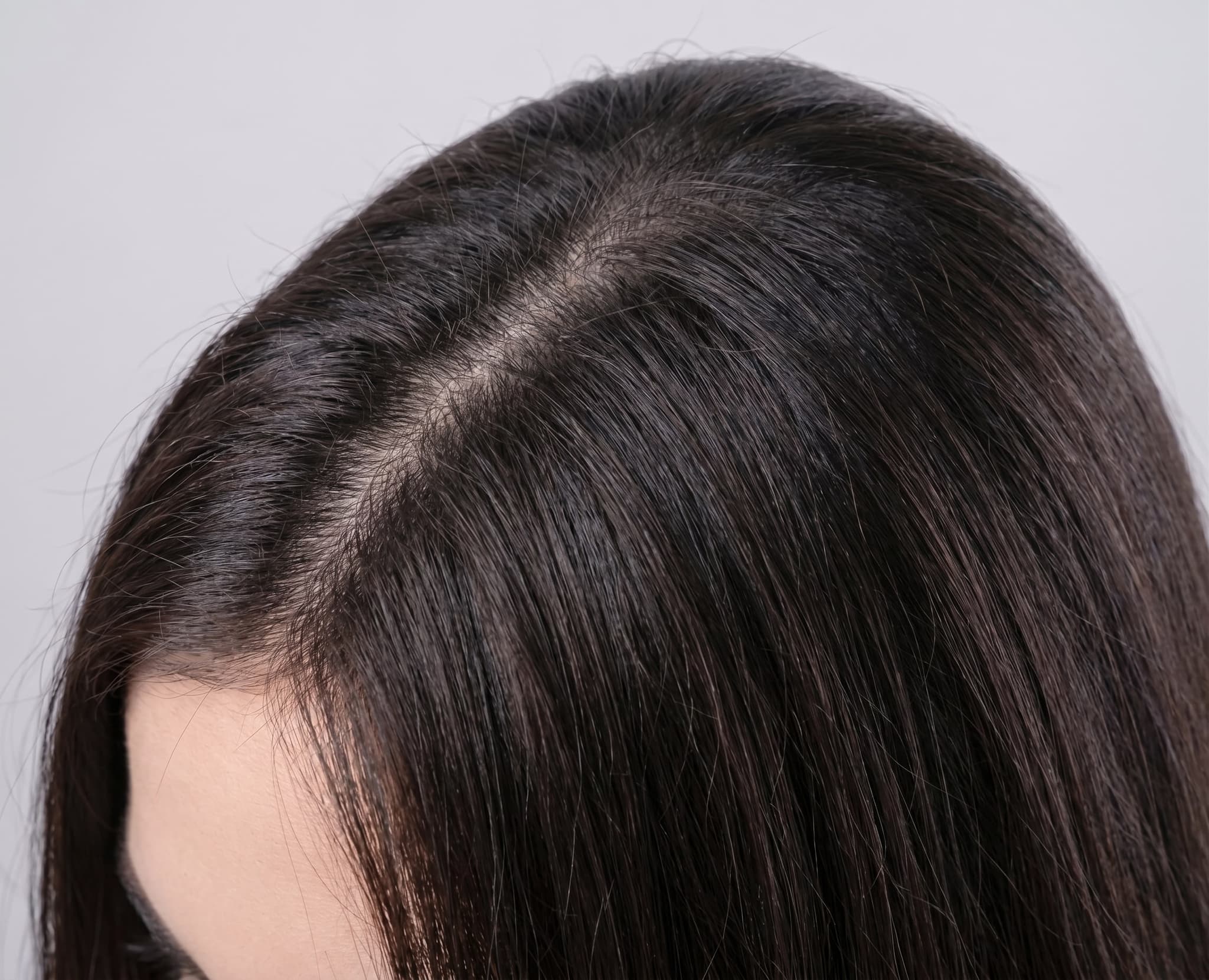
Hair Loss Treatment
Expert diagnosis and diverse treatment options, including PRP therapy, medications, and transplantation, restoring hair and confidence for both men and women.
Skin Rejuvenation and Anti-Aging
Reveal youthful skin with microdermabrasion, microneedling, and laser treatments, effectively reducing fine lines, improving texture, and boosting collagen production.
Allergy Testing and Treatment
Precision allergy testing for skin allergens, coupled with personalized treatment plans including medication, allergen avoidance strategies, and discussions on long-term immunotherapy for effective and patient-centered relief.
Ms. Nawal Khalid
Thread Lifting PatientMar 4, 2020
An active member of the international healthcare community with a passion for furthering standards of excellence in Aesthetic Dermatology spearheading clinically proven and safe best practices. Dynamic mentor dedicated to influencing positive change as a peer adviser, consultant, and healthcare educator.An active member of the international healthcare community with a passion for furthering standards of excellence in Aesthetic Dermatology spearheading clinically proven and safe best practices. Dynamic mentor dedicated to influencing positive change as a peer adviser, consultant, and healthcare educator.
Eman Yassin
Thank you for my birthday gift, Thank you dr. Christine it’s amazing skin poster with Monica🌸 Very nice center I love it.
Rita S.
Thank you so much Dr. Christine for the wonderful birthday gift! The skincare treatment was such a thoughtful and perfect choice—I truly appreciate your kindness and the effort you put into making my day special. My skin feels amazing, and I’m so grateful for your generosity. Thanks again for making my birthday even more memorable!
Lamy S
Dr. Christine's hands are very gentle, and she works quickly. Thank you, Dr. Christine, for your efforts and care. God willing, any future cosmetic procedure I have will definitely be with her.
Alaa M
big thank you to Dr. Christine for her patience and kindness
My Regular Schedule
Dermatologist
- Address: Abu Dhabi, UAE
- Working Days: Sunday, Monday, Tuesday, Wednesday, Thursday and Friday
- Visiting Hour: 11am - 6pm
- Contact No: +971 600 551615
Medical Director
- Address: Abu Dhabi, UAE
- Working Days:
- Visiting Hour:
- Contact No: +971 600 551615
Latest News
From Wounds to Wellness: Dr. Christeen Youssef Redefines Scar Healing Through Regenerative Medicine at the 44th ISDS Annual Meeting
Insights from the 44th Annual Meeting of the ISDS – International Society for Dermatologic & Aesthetic Surgery
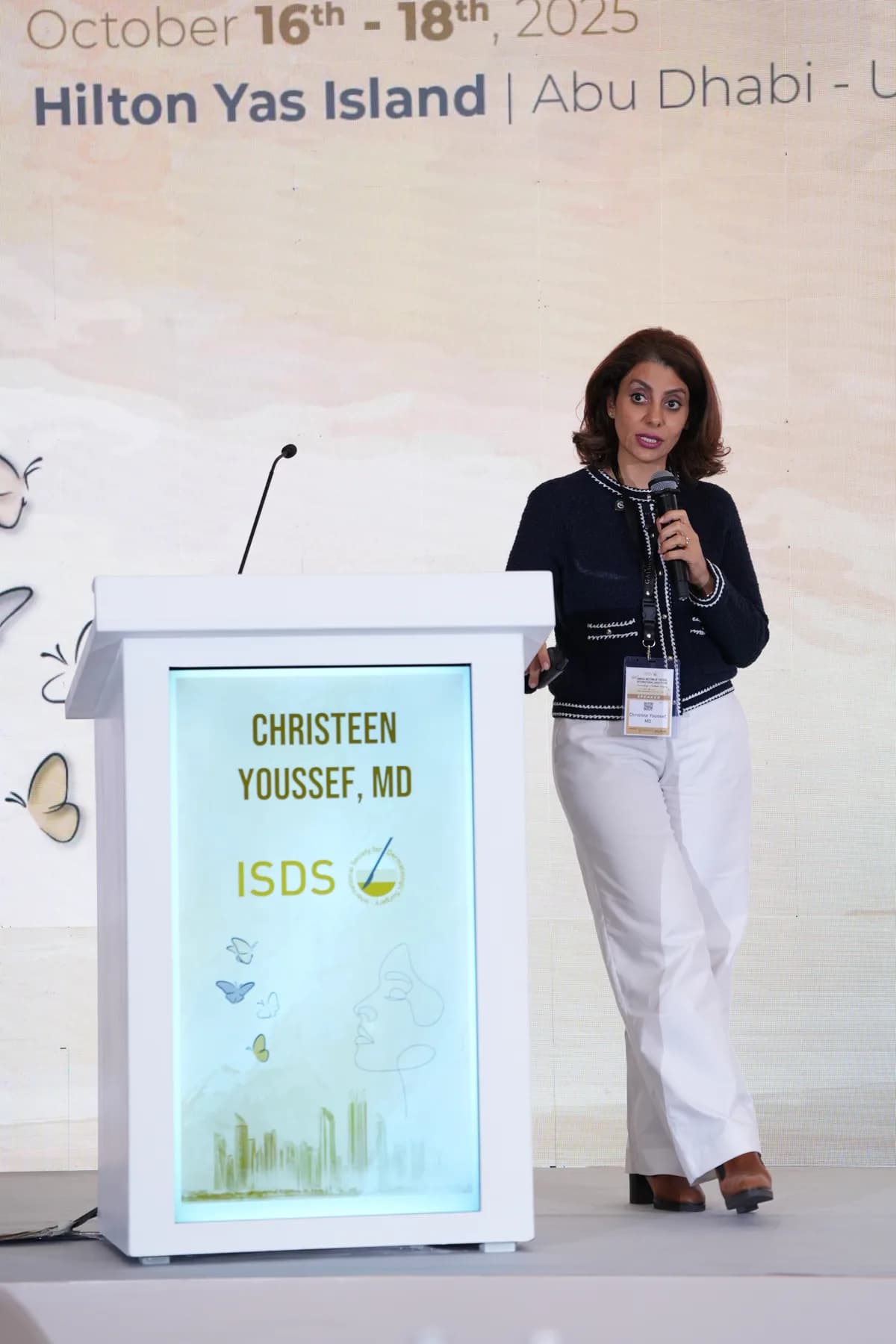
At the 44th Annual Meeting of the International Society for Dermatologic & Aesthetic Surgery (ISDS), held at the Hilton Yas Island in Abu Dhabi, Dr. Christeen Youssef, MD, delivered a groundbreaking presentation that challenges conventional wisdom about scar management.
As the Director of Everlast Clinic, a leading human subject research center in Abu Dhabi specializing in nanofat and stem cell therapies, Dr. Youssef shared compelling evidence showing how early intervention combined with regenerative medicine is transforming the treatment of scars and wound healing worldwide.
The Global Impact of Scarring
Dr. Youssef began by highlighting the enormous scale of the global scar management challenge. Each year, approximately 12 million lacerations are sutured in the United States alone, and more than 250 million surgical incisions occur globally. The financial burden is staggering—over 20 billion USD is spent annually on scar management, with 170,000 scar revision procedures performed in the U.S. every year.
Globally, more than 100 million individuals in developed countries suffer from scar-related conditions, and over 10 million people are affected by keloids, one of the most challenging types of scars to treat.
Understanding Why Scars Form
Scarring occurs as part of the body’s natural wound-healing process, which includes four main stages: hemostasis, inflammation, proliferation, and remodeling. Problems arise during the later stages, when abnormal fibroblast proliferation and excessive extracellular matrix (ECM) deposition lead to what Dr. Youssef refers to as fibro-proliferative disorders.
The key cellular players involved include fibroblasts, myofibroblasts, keratinocytes, and macrophages. Among the molecular factors, transforming growth factor-beta (TGF-β) plays a critical role and is often overexpressed in pathological scars. Understanding when to upregulate or downregulate these growth factors is essential for successful scar modulation and prevention.
The Limitations of Traditional Approaches
Despite decades of research, conventional scar treatments remain limited in effectiveness:
- Silicone gels suffer from poor patient compliance.
- Corticosteroid injections carry a high recurrence rate.
- Surgical scar revision often fails, with a risk of worsening scarring.
- Cryotherapy and radiation have significant side effects.
- Laser therapy alone provides limited benefit for deep scars.
The main shortcomings of these methods include the inability to modulate collagen remodeling, limited depth of treatment, high recurrence, and lack of personalized approaches tailored to the individual patient’s biology.
A New Paradigm: Combining Energy-Based and Regenerative Therapies
Dr. Youssef presented a pioneering approach that integrates energy-based devices—particularly fractional laser therapy—with cell-based regenerative treatments such as nanofat, stromal vascular fraction (SVF), platelet-rich plasma (PRP), and stem cell therapy.
This combination works at multiple biological levels:
- Fractional laser stimulates controlled skin remodeling and enhances collagen reorganization.
- Cell-based therapies promote regeneration, delivering growth factors and cytokines that encourage healthy tissue restoration.
- The laser can also serve as a delivery system for active materials like corticosteroids, exosomes, or PRP, amplifying therapeutic impact. When combined, these therapies have shown superior outcomes, both histologically and clinically, compared to traditional treatments.
Transformative Clinical Cases
Dr. Youssef illustrated the real-world power of this approach through several inspiring case studies:
Case 1: The Glass Accident
A young man presented with facial lacerations from a glass injury. Early intervention included removal of the initial sutures, cosmetic reclosure, SVF injection, and fractional laser therapy within two weeks. Within six months, the scars were virtually invisible.
Case 2: The Bicycle Accident
A diplomat’s wife sustained a facial injury above her lip. She was treated immediately with SVF and fractional laser, avoiding surgery entirely. The result was complete scarless healing and restored confidence.
Case 3: The Burn Patient
A ten-year-old girl suffered extensive burns affecting her chest and surrounding areas. In cultures where visible scars can have profound psychosocial consequences, early combined treatment made an extraordinary difference. With nanofat and fractional laser therapy, the patient achieved remarkable skin regeneration—restoring both her appearance and self-esteem
The Critical Message: Don’t Wait
Dr. Youssef’s most important message to clinicians was clear: early intervention is essential.
While traditional protocols advise waiting six months or more before initiating scar therapy, new evidence supports starting treatment as early as two to three weeks post-injury. Studies comparing SVF therapy to saline controls have demonstrated significantly improved healing and aesthetic outcomes when early intervention is applied—even in challenging keloid cases.
Key Takeaways
- Early intervention is critical
- Combination therapy is superior
- Conventional methods have limits
- Understanding biology matters
- Clinical evidence is growing
The Future of Scar Management
At Everlast Clinic, Dr. Youssef and her team are conducting advanced clinical studies on wound healing, diabetic ulcers, and scar management, contributing valuable evidence to the growing field of regenerative dermatology. The clinic has even received referrals from the Department of Health (DOH) in Abu Dhabi, reflecting increasing institutional recognition of these emerging therapies.
While Dr. Youssef acknowledges that we are still in the early stages of understanding and optimizing nanofat and regenerative approaches, she emphasizes the urgent need for more clinical studies, research collaborations, and scientific awareness to advance this promising field.
Conclusion
Scar therapy is entering a new era. With the integration of cell-based regenerative medicine, smart nanomaterials, and advanced laser technologies, physicians can now achieve outcomes once thought impossible—even in severe cases like keloids and burns.
Dr. Christeen Youssef’s pioneering work in Abu Dhabi represents the forefront of this transformation, uniting science, technology, and compassion to redefine what healing can look like.
“Early intervention changes everything,” Dr. Youssef emphasizes. “We are not just treating scars — we are restoring confidence, beauty, and quality of life.”
The Role of Stromal Vascular Fraction (SVF) in the Treatment of Diabetic Foot: A Promising Therapeutic Approach
Based on Dr. Christeen’s speech at the 16th Abu Dhabi Wound Care Conference (ADWCC) 2025, organized by the IWCG.
Why Diabetic Foot Ulcers Deserve Serious Attention?

Diabetic foot ulcers are among the most serious complications for people with diabetes. These wounds are slow to heal due to poor blood flow and nerve damage, making them prone to infection, long hospital stays, and, in severe cases, amputation. Traditional treatments—like dressings, antibiotics, and debridement—often do not heal these ulcers quickly or completely, especially in chronic cases.
What Is SVF (Stromal Vascular Fraction)?
Stromal Vascular Fraction (SVF) is a mixture of regenerative cells taken from a patient’s own fat tissue. SVF contains:

The collection and injection process is quick and minimally invasive. SVF is usually injected around the wound site to support healing.
How SVF Heals Diabetic Foot Ulcers?
SVF works in several ways to encourage wound healing:
- Promotes New Blood Vessels: SVF stimulates angiogenesis (formation of new blood vessels), improving circulation to the wound, a critical factor for healing in diabetic patients
- Reduces Inflammation: SVF contains immune cells that help reduce chronic inflammation, creating a better environment for healing
- Regenerates Tissue: SVF activates skin cells, increases collagen production, and supports tissue regeneration, helping wounds close faster and stronger
- Enhances Oxygen and Nutrient Delivery: Improved blood flow means better oxygen and nutrient delivery, which is essential for tissue repair
Clinical Evidence: What the Research Says
A major clinical study involving 63 patients with chronic, non-healing diabetic foot ulcers (all at risk of amputation) found that:
- 51 patients achieved full wound closure within 6 months.
- 8 more had at least 75% improvement.
- After one year, 50 maintained complete healing, and 4 showed over 85% closure.
- No serious side effects were reported, even in patients with large ulcers.
- Doppler ultrasound confirmed improved blood flow in treated areas.
- Even wounds over 10 cm² responded positively, showing that SVF works for various ulcer sizes.

These results indicate that SVF can be safely used to treat chronic diabetic foot ulcers, with evidence of efficacy and mechanisms of action that include vascular repair and angiogenesis
Why SVF Is a Game-Changer
- Minimally Invasive: Uses the patient’s fat-derived cells, no surgery or artificial implants
- Time-Efficient: SVF can be collected and injected in a single outpatient visit
- Safe and Practical: Suitable for resource-limited settings; does not require hospitalization
- Targets the Root Cause: SVF improves circulation and promotes regeneration, not just symptom relief
Key Takeaways for Patients and Caregivers
- SVF therapy is a safe and effective option for chronic, non-healing diabetic foot ulcers
- It significantly increases healing rates and may help avoid amputation
- SVF therapy is showing potential to become a new standard in diabetic foot care worldwide
Frequently Asked Questions (FAQ)
What is SVF, and how is it collected?
SVF is a blend of healing cells taken from a small amount of the patient’s fat. The fat is processed, and the SVF is reinjected around the wound to support healing.
Is SVF therapy safe?
Yes. Clinical studies show SVF therapy is generally safe, with no serious side effects reported. Minor discomfort or swelling may occur at the injection site.
How does SVF compare to traditional treatments?
SVF leads to faster and more complete healing, especially in patients who haven’t responded to standard therapies
Who is a candidate for SVF therapy?
Patients with chronic or non-healing diabetic foot ulcers, especially those at risk of amputation, may benefit. Medical consultation is needed to confirm suitability.
How is SVF administered for diabetic foot ulcers?
SVF is injected around the wound and sometimes along the arteries of the foot to promote healing and improve blood flow
Are there any risks or side effects with SVF therapy?
No major side effects have been reported in clinical studies. Minor risks, such as infection or discomfort at the injection site, are possible but rare.
Can SVF therapy prevent amputation in diabetic foot patients?
Yes, studies suggest that SVF therapy can help prevent limb loss by promoting healing in wounds that would otherwise require amputation
A New Era in Diabetic Wound Healing
SVF therapy offers new hope to patients with diabetic foot ulcers. It is safe, minimally invasive, and backed by scientific evidence. As more clinics adopt this approach, SVF may soon become a standard treatment, helping more people heal and avoid amputation.
Dr. Christeen on “Sabah Al Emarat”: Revolutionary Scar-Free Burn Healing
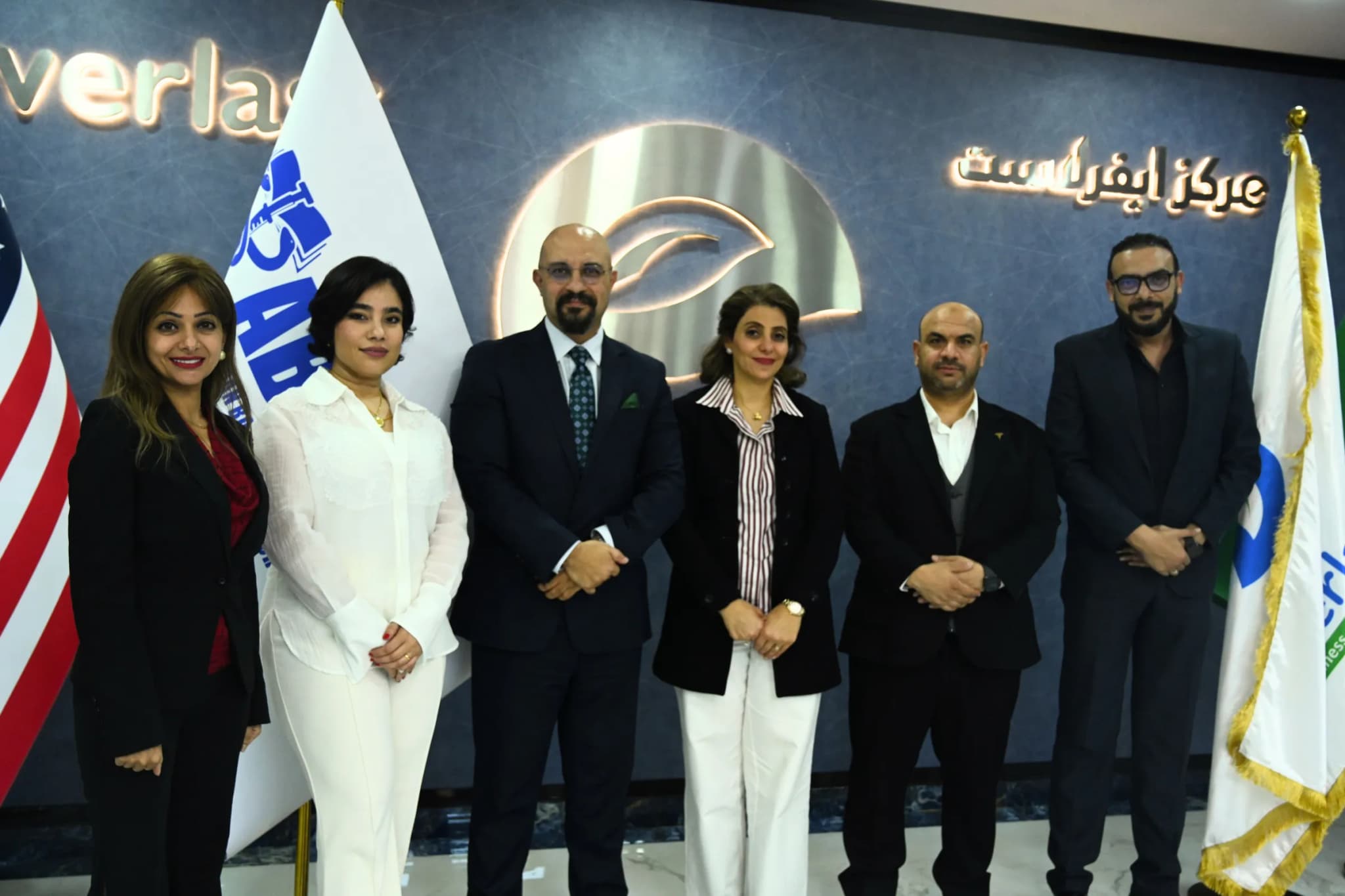
Dr. Christeen, owner of Everlast Wellness Medical Center, recently shared a groundbreaking advancement in burn scar treatment on the “Sabah Al Emarat” TV program. Discover how tissue bio-engineering is rewriting the lives of burn survivors, offering renewed hope and confidence.
Understanding Tissue Bio-Engineering for Burn Scars
Tissue bio-engineering represents a modern leap in regenerative medicine, leveraging the body’s innate ability to regenerate and heal skin tissue. This technique stimulates natural skin regrowth by combining biological materials with components from the patient’s body.
- It harnesses the body’s own healing powers.
- It promotes faster and more complete recovery.
- Effective for treating diabetic foot ulcers.
- Patients experience improved mental health due to less pain and faster results.
How Does Tissue Bioengineering Work?
Imagine your skin as a house that needs repair. Instead of using foreign materials, tissue bio-engineering uses the original “bricks” (skin cells) and “building supplies” (growth factors) from your body to rebuild.
- Growth factors regulate skin cell growth, preventing abnormal scar formation.
- Controlled lasers and biological scaffolds guide skin regeneration.
- The method restores skin layers, including collagen, nerves, and blood vessels.
- This creates flexible, natural-looking skin without restricting movement.
Clinical Advantages of Bio-Tissue Engineering
The clinical benefits are immense:
- Reduced Risk of Infection: Less invasive means lower infection rates.
- Improved Mobility: Ideal for scars near joints or on the face.
- Shorter Treatment Times: Accelerates healing and recovery.
- Psychological Well-Being: Visible improvements uplift patient spirits.
- Cost-Effective: Minimizes hospital stays and the need for extensive car
Ideal Timing for Treatment
Timely intervention yields the best results:
Who Can Benefit?
This treatment is effective for various burn types:
Transformative Psychological and Social Impact
Burn survivors often struggle with trauma, isolation, and diminished self-esteem. Tissue engineering addresses not just the physical scars but also the emotional wounds.
Consider the story of “Yousef” (not his real name), who suffered severe chest scars and profound psychological distress. Through dedicated treatment sessions, he rediscovered hope and a desire to help others facing similar struggles.
Economic Advantages
Compared to traditional methods, bio-tissue engineering is economically sound:
- Shorter hospital stays reduce costs.
- Fewer surgeries save money.
- Faster recovery means patients return to work sooner.
- It reduces the overall strain on healthcare resources.
Practical Advice
- tissue Bioengineering offers a revolutionary approach to scarless burn healing.
- Early treatment leads to better results, but older scars can also benefit.
- It is a safe, minimally invasive, and psychologically supportive treatment.
- Seek specialists familiar with advanced regenerative therapies.
- Follow treatment protocols closely for optimal outcomes.
Frequently Asked Questions (FAQ)
- How is bio-tissue engineering different from traditional scar treatments?
Unlike traditional methods, bio-tissue engineering uses the patient’s own cells and growth factors to regenerate skin naturally without surgery or skin grafts. - Can bio-tissue engineering improve old burn scars?
Yes, this technique can improve scars regardless of age by softening and regenerating skin layers using nanotechnology. - Is this approach effective for all types of burns?
It is effective for thermal, chemical, and radiation burns, restoring both the appearance and functionality of the skin. - When is the best time to begin treatment after a burn?
Early intervention yields the best results, but treatment can still be effective for older scars. - Can bio-tissue engineering restore movement affected by burn scars?
Yes, it can restore skin flexibility and joint function by regenerating natural tissue and reducing scar-related tightness. - What are the psychological benefits of this treatment?
Patients often experience improved self-esteem, reduced trauma, and enhanced social integration due to better cosmetic results and faster healing. - How does this treatment impact healthcare costs?
By reducing the need for surgeries, hospital stays, and extensive care, bio-tissue engineering helps lower costs for patients and the healthcare system. - Are multiple treatment sessions required for optimal results?
Treatment is tailored to each patient’s needs, often involving several sessions over a period of weeks or months for the best possible results.
Ms. Nawal Khalid
An active member of the international healthcare community with a passion for furthering standards of excellence in Aesthetic Dermatology spearheading clinically proven and safe best practices. Dynamic mentor dedicated to influencing positive change as a peer adviser, consultant, and healthcare educator.An active member of the international healthcare community with a passion for furthering standards of excellence in Aesthetic Dermatology spearheading clinically proven and safe best practices. Dynamic mentor dedicated to influencing positive change as a peer adviser, consultant, and healthcare educator.