Dr Christeen Youssef Dr Christeen Youssef
  • Home
  • About Me
  • My Gallery
    • Before and After
    • publications
  • Case Study
  • testimonials
  • Blog
  • reach me
Dr Christeen Youssef

Aesthetic Dermatologist And Consultant

  • Home
  • About Me
  • My Gallery
    • Before and After
    • publications
  • Case Study
  • testimonials
  • Blog
  • reach me
find with me

Blog Grid

  • Home
  • Blog Grid
CONFERENCE
5 min read

From Wounds to Wellness: Dr. Christeen Youssef Redefines Scar Healing Through Regenerative Medicine at the 44th ISDS Annual Meeting

22/10/2025

From Wounds to Wellness: Dr. Christeen Youssef Redefines Scar Healing Through Regenerative Medicine at the 44th ISDS Annual Meeting

Insights from the 44th Annual Meeting of the ISDS – International Society for Dermatologic & Aesthetic Surgery

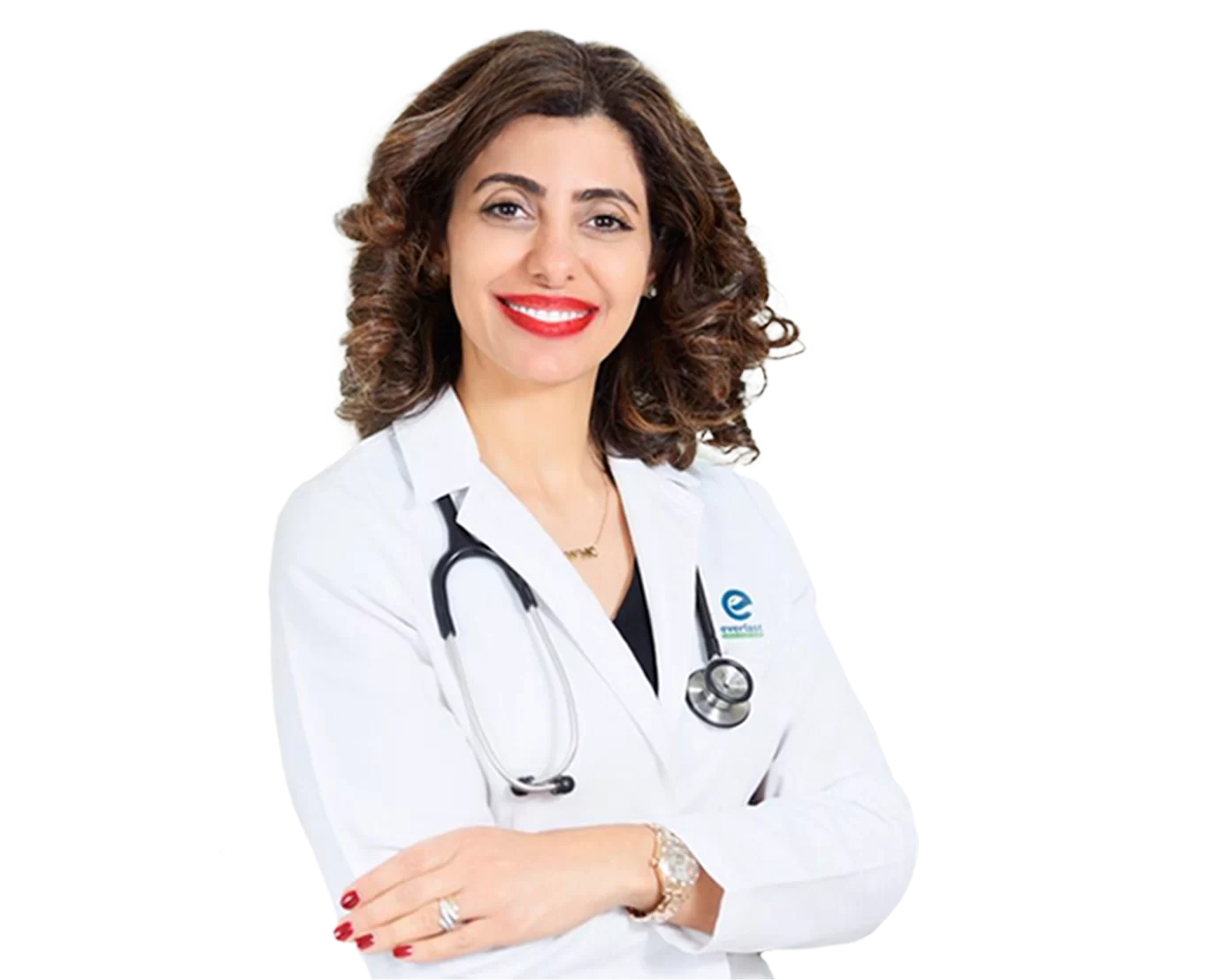
At the 44th Annual Meeting of the International Society for Dermatologic & Aesthetic Surgery (ISDS), held at the Hilton Yas Island in Abu Dhabi, Dr. Christeen Youssef, MD, delivered a groundbreaking presentation that challenges conventional wisdom about scar management.

As the Director of Everlast Clinic, a leading human subject research center in Abu Dhabi specializing in nanofat and stem cell therapies, Dr. Youssef shared compelling evidence showing how early intervention combined with regenerative medicine is transforming the treatment of scars and wound healing worldwide.

The Global Impact of Scarring

Dr. Youssef began by highlighting the enormous scale of the global scar management challenge. Each year, approximately 12 million lacerations are sutured in the United States alone, and more than 250 million surgical incisions occur globally. The financial burden is staggering—over 20 billion USD is spent annually on scar management, with 170,000 scar revision procedures performed in the U.S. every year.

Globally, more than 100 million individuals in developed countries suffer from scar-related conditions, and over 10 million people are affected by keloids, one of the most challenging types of scars to treat.

Understanding Why Scars Form

Scarring occurs as part of the body’s natural wound-healing process, which includes four main stages: hemostasis, inflammation, proliferation, and remodeling. Problems arise during the later stages, when abnormal fibroblast proliferation and excessive extracellular matrix (ECM) deposition lead to what Dr. Youssef refers to as fibro-proliferative disorders.

The key cellular players involved include fibroblasts, myofibroblasts, keratinocytes, and macrophages. Among the molecular factors, transforming growth factor-beta (TGF-β) plays a critical role and is often overexpressed in pathological scars. Understanding when to upregulate or downregulate these growth factors is essential for successful scar modulation and prevention.

The Limitations of Traditional Approaches

Despite decades of research, conventional scar treatments remain limited in effectiveness:

  • Silicone gels suffer from poor patient compliance.
  • Corticosteroid injections carry a high recurrence rate.
  • Surgical scar revision often fails, with a risk of worsening scarring.
  • Cryotherapy and radiation have significant side effects.
  • Laser therapy alone provides limited benefit for deep scars.

The main shortcomings of these methods include the inability to modulate collagen remodeling, limited depth of treatment, high recurrence, and lack of personalized approaches tailored to the individual patient’s biology.

A New Paradigm: Combining Energy-Based and Regenerative Therapies

Dr. Youssef presented a pioneering approach that integrates energy-based devices—particularly fractional laser therapy—with cell-based regenerative treatments such as nanofat, stromal vascular fraction (SVF), platelet-rich plasma (PRP), and stem cell therapy.

This combination works at multiple biological levels:

  • Fractional laser stimulates controlled skin remodeling and enhances collagen reorganization.
  • Cell-based therapies promote regeneration, delivering growth factors and cytokines that encourage healthy tissue restoration.
  • The laser can also serve as a delivery system for active materials like corticosteroids, exosomes, or PRP, amplifying therapeutic impact. When combined, these therapies have shown superior outcomes, both histologically and clinically, compared to traditional treatments.

Transformative Clinical Cases

Dr. Youssef illustrated the real-world power of this approach through several inspiring case studies:

Case 1: The Glass Accident
A young man presented with facial lacerations from a glass injury. Early intervention included removal of the initial sutures, cosmetic reclosure, SVF injection, and fractional laser therapy within two weeks. Within six months, the scars were virtually invisible.

Case 2: The Bicycle Accident
A diplomat’s wife sustained a facial injury above her lip. She was treated immediately with SVF and fractional laser, avoiding surgery entirely. The result was complete scarless healing and restored confidence.

Case 3: The Burn Patient
A ten-year-old girl suffered extensive burns affecting her chest and surrounding areas. In cultures where visible scars can have profound psychosocial consequences, early combined treatment made an extraordinary difference. With nanofat and fractional laser therapy, the patient achieved remarkable skin regeneration—restoring both her appearance and self-esteem

The Critical Message: Don’t Wait

Dr. Youssef’s most important message to clinicians was clear: early intervention is essential.

While traditional protocols advise waiting six months or more before initiating scar therapy, new evidence supports starting treatment as early as two to three weeks post-injury. Studies comparing SVF therapy to saline controls have demonstrated significantly improved healing and aesthetic outcomes when early intervention is applied—even in challenging keloid cases.

Key Takeaways

  1. Early intervention is critical 
  2. Combination therapy is superior 
  3. Conventional methods have limits 
  4. Understanding biology matters
  5. Clinical evidence is growing 

The Future of Scar Management

At Everlast Clinic, Dr. Youssef and her team are conducting advanced clinical studies on wound healing, diabetic ulcers, and scar management, contributing valuable evidence to the growing field of regenerative dermatology. The clinic has even received referrals from the Department of Health (DOH) in Abu Dhabi, reflecting increasing institutional recognition of these emerging therapies.

While Dr. Youssef acknowledges that we are still in the early stages of understanding and optimizing nanofat and regenerative approaches, she emphasizes the urgent need for more clinical studies, research collaborations, and scientific awareness to advance this promising field.

Conclusion

Scar therapy is entering a new era. With the integration of cell-based regenerative medicine, smart nanomaterials, and advanced laser technologies, physicians can now achieve outcomes once thought impossible—even in severe cases like keloids and burns.

Dr. Christeen Youssef’s pioneering work in Abu Dhabi represents the forefront of this transformation, uniting science, technology, and compassion to redefine what healing can look like.

“Early intervention changes everything,” Dr. Youssef emphasizes. “We are not just treating scars — we are restoring confidence, beauty, and quality of life.”

CONFERENCE
4 min read

The Role of Stromal Vascular Fraction (SVF) in the Treatment of Diabetic Foot: A Promising Therapeutic Approach 

23/10/2025

The Role of Stromal Vascular Fraction (SVF) in the Treatment of Diabetic Foot: A Promising Therapeutic Approach 

Based on Dr. Christeen’s speech at the 16th Abu Dhabi Wound Care Conference (ADWCC) 2025, organized by the IWCG.

Why Diabetic Foot Ulcers Deserve Serious Attention?

Diabetic foot ulcers are among the most serious complications for people with diabetes. These wounds are slow to heal due to poor blood flow and nerve damage, making them prone to infection, long hospital stays, and, in severe cases, amputation. Traditional treatments—like dressings, antibiotics, and debridement—often do not heal these ulcers quickly or completely, especially in chronic cases.

What Is SVF (Stromal Vascular Fraction)?

Stromal Vascular Fraction (SVF) is a mixture of regenerative cells taken from a patient’s own fat tissue. SVF contains:

The collection and injection process is quick and minimally invasive. SVF is usually injected around the wound site to support healing.

How SVF Heals Diabetic Foot Ulcers?

SVF works in several ways to encourage wound healing:

  • Promotes New Blood Vessels: SVF stimulates angiogenesis (formation of new blood vessels), improving circulation to the wound, a critical factor for healing in diabetic patients
  • Reduces Inflammation: SVF contains immune cells that help reduce chronic inflammation, creating a better environment for healing
  • Regenerates Tissue: SVF activates skin cells, increases collagen production, and supports tissue regeneration, helping wounds close faster and stronger
  • Enhances Oxygen and Nutrient Delivery: Improved blood flow means better oxygen and nutrient delivery, which is essential for tissue repair

Clinical Evidence: What the Research Says

A major clinical study involving 63 patients with chronic, non-healing diabetic foot ulcers (all at risk of amputation) found that:

  • 51 patients achieved full wound closure within 6 months.
  • 8 more had at least 75% improvement.
  • After one year, 50 maintained complete healing, and 4 showed over 85% closure.
  • No serious side effects were reported, even in patients with large ulcers.
  • Doppler ultrasound confirmed improved blood flow in treated areas.
  • Even wounds over 10 cm² responded positively, showing that SVF works for various ulcer sizes.

These results indicate that SVF can be safely used to treat chronic diabetic foot ulcers, with evidence of efficacy and mechanisms of action that include vascular repair and angiogenesis

Why SVF Is a Game-Changer

  • Minimally Invasive: Uses the patient’s fat-derived cells, no surgery or artificial implants
  • Time-Efficient: SVF can be collected and injected in a single outpatient visit
  • Safe and Practical: Suitable for resource-limited settings; does not require hospitalization
  • Targets the Root Cause: SVF improves circulation and promotes regeneration, not just symptom relief

Key Takeaways for Patients and Caregivers

  • SVF therapy is a safe and effective option for chronic, non-healing diabetic foot ulcers
  • It significantly increases healing rates and may help avoid amputation
  • SVF therapy is showing potential to become a new standard in diabetic foot care worldwide

Frequently Asked Questions (FAQ)

What is SVF, and how is it collected?
SVF is a blend of healing cells taken from a small amount of the patient’s fat. The fat is processed, and the SVF is reinjected around the wound to support healing.

Is SVF therapy safe?
Yes. Clinical studies show SVF therapy is generally safe, with no serious side effects reported. Minor discomfort or swelling may occur at the injection site.

How does SVF compare to traditional treatments?
SVF leads to faster and more complete healing, especially in patients who haven’t responded to standard therapies

Who is a candidate for SVF therapy?
Patients with chronic or non-healing diabetic foot ulcers, especially those at risk of amputation, may benefit. Medical consultation is needed to confirm suitability.

How is SVF administered for diabetic foot ulcers?
SVF is injected around the wound and sometimes along the arteries of the foot to promote healing and improve blood flow

Are there any risks or side effects with SVF therapy?
No major side effects have been reported in clinical studies. Minor risks, such as infection or discomfort at the injection site, are possible but rare.

Can SVF therapy prevent amputation in diabetic foot patients?
Yes, studies suggest that SVF therapy can help prevent limb loss by promoting healing in wounds that would otherwise require amputation

A New Era in Diabetic Wound Healing

SVF therapy offers new hope to patients with diabetic foot ulcers. It is safe, minimally invasive, and backed by scientific evidence. As more clinics adopt this approach, SVF may soon become a standard treatment, helping more people heal and avoid amputation.

Uncategorized
4 min read

Dr. Christeen on “Sabah Al Emarat”: Revolutionary Scar-Free Burn Healing

01/06/2025

Dr. Christeen on “Sabah Al Emarat”: Revolutionary Scar-Free Burn Healing

Dr. Christeen, owner of Everlast Wellness Medical Center, recently shared a groundbreaking advancement in burn scar treatment on the “Sabah Al Emarat” TV program. Discover how tissue bio-engineering is rewriting the lives of burn survivors, offering renewed hope and confidence.

Understanding Tissue Bio-Engineering for Burn Scars

Tissue bio-engineering represents a modern leap in regenerative medicine, leveraging the body’s innate ability to regenerate and heal skin tissue. This technique stimulates natural skin regrowth by combining biological materials with components from the patient’s body.

  • It harnesses the body’s own healing powers.
  • It promotes faster and more complete recovery.
  • Effective for treating diabetic foot ulcers.
  • Patients experience improved mental health due to less pain and faster results.

How Does Tissue Bioengineering Work?

Imagine your skin as a house that needs repair. Instead of using foreign materials, tissue bio-engineering uses the original “bricks” (skin cells) and “building supplies” (growth factors) from your body to rebuild.

  • Growth factors regulate skin cell growth, preventing abnormal scar formation.
  • Controlled lasers and biological scaffolds guide skin regeneration.
  • The method restores skin layers, including collagen, nerves, and blood vessels.
  • This creates flexible, natural-looking skin without restricting movement.

Clinical Advantages of Bio-Tissue Engineering

The clinical benefits are immense:

  • Reduced Risk of Infection: Less invasive means lower infection rates.
  • Improved Mobility: Ideal for scars near joints or on the face.
  • Shorter Treatment Times: Accelerates healing and recovery.
  • Psychological Well-Being: Visible improvements uplift patient spirits.
  • Cost-Effective: Minimizes hospital stays and the need for extensive car

Ideal Timing for Treatment

Timely intervention yields the best results:

Who Can Benefit?

This treatment is effective for various burn types:

Transformative Psychological and Social Impact

Burn survivors often struggle with trauma, isolation, and diminished self-esteem. Tissue engineering addresses not just the physical scars but also the emotional wounds. 

Consider the story of “Yousef” (not his real name), who suffered severe chest scars and profound psychological distress. Through dedicated treatment sessions, he rediscovered hope and a desire to help others facing similar struggles.

Economic Advantages

Compared to traditional methods, bio-tissue engineering is economically sound:

  • Shorter hospital stays reduce costs.
  • Fewer surgeries save money.
  • Faster recovery means patients return to work sooner.
  • It reduces the overall strain on healthcare resources.

Practical Advice

  • tissue Bioengineering offers a revolutionary approach to scarless burn healing.
  • Early treatment leads to better results, but older scars can also benefit.
  • It is a safe, minimally invasive, and psychologically supportive treatment.
  • Seek specialists familiar with advanced regenerative therapies.
  • Follow treatment protocols closely for optimal outcomes.

Frequently Asked Questions (FAQ)

  1. How is bio-tissue engineering different from traditional scar treatments?
    Unlike traditional methods, bio-tissue engineering uses the patient’s own cells and growth factors to regenerate skin naturally without surgery or skin grafts.
  2. Can bio-tissue engineering improve old burn scars?
    Yes, this technique can improve scars regardless of age by softening and regenerating skin layers using nanotechnology.
  3. Is this approach effective for all types of burns?
    It is effective for thermal, chemical, and radiation burns, restoring both the appearance and functionality of the skin.
  4. When is the best time to begin treatment after a burn?
    Early intervention yields the best results, but treatment can still be effective for older scars.
  5. Can bio-tissue engineering restore movement affected by burn scars?
    Yes, it can restore skin flexibility and joint function by regenerating natural tissue and reducing scar-related tightness.
  6. What are the psychological benefits of this treatment?
    Patients often experience improved self-esteem, reduced trauma, and enhanced social integration due to better cosmetic results and faster healing.
  7. How does this treatment impact healthcare costs?
    By reducing the need for surgeries, hospital stays, and extensive care, bio-tissue engineering helps lower costs for patients and the healthcare system.
  8. Are multiple treatment sessions required for optimal results?
    Treatment is tailored to each patient’s needs, often involving several sessions over a period of weeks or months for the best possible results.


You can watch the full episode through this link

Uncategorized
1 min read

Dr. Christine talks about the modern cosmetic revolution!

01/06/2025

Dr. Christine talks about the modern cosmetic revolution!

From treating old and new burns using bioengineering, to hair transplants and managing diabetic foot ulcers and chronic diseases… innovative solutions deliver amazing results!
Learn about the latest technologies and regain confidence in your natural beauty.

CONFERENCE
1 min read

International Conference Journals

01/06/2025

International Conference Journals

Active member of the international healthcare community with a passion on furthering standards of excellence in Aesthetic Dermatology spearheading clinically proven and safe best practices. Dynamic mentor dedicated to influencing positive change as a peer adviser, consultant, and healthcare educator.Active member of the international healthcare community with a passion on furthering standards of excellence in Aesthetic Dermatology spearheading clinically proven and safe best practices. Dynamic mentor dedicated to influencing positive change as a peer adviser, consultant, and healthcare educator.

CONFERENCE
1 min read

Dr.Christeen Youssef – Advance Thread Lifting Techniques

01/06/2025

Dr.Christeen Youssef – Advance Thread Lifting Techniques

Active member of the international healthcare community with a passion on furthering standards of excellence in Aesthetic Dermatology spearheading clinically proven and safe best practices. Dynamic mentor dedicated to influencing positive change as a peer adviser, consultant, and healthcare educator.Active member of the international healthcare community with a passion on furthering standards of excellence in Aesthetic Dermatology spearheading clinically proven and safe best practices. Dynamic mentor dedicated to influencing positive change as a peer adviser, consultant, and healthcare educator.

TESTIMONIAL
1 min read

A Success Story A client of Everlast Wellness Medical Center

01/06/2025

A Success Story A client of Everlast Wellness Medical Center

An active member of the international healthcare community with a passion for furthering standards of excellence in Aesthetic Dermatology spearheading clinically proven and safe best practices. Dynamic mentor dedicated to influencing positive change as a peer adviser, consultant, and healthcare educator.An active member of the international healthcare community with a passion for furthering standards of excellence in Aesthetic Dermatology spearheading clinically proven and safe best practices. Dynamic mentor dedicated to influencing positive change as a peer adviser, consultant, and healthcare educator.

https://www.youtube.com/watch?v=BAC-q8VhDQY

workshop
4 min read

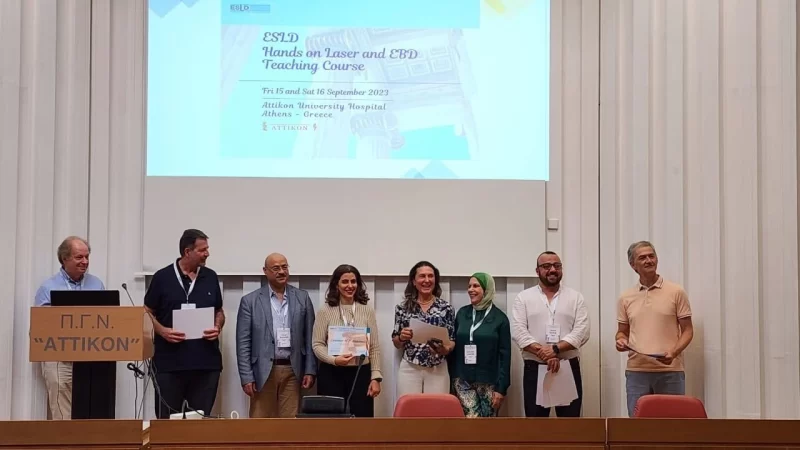
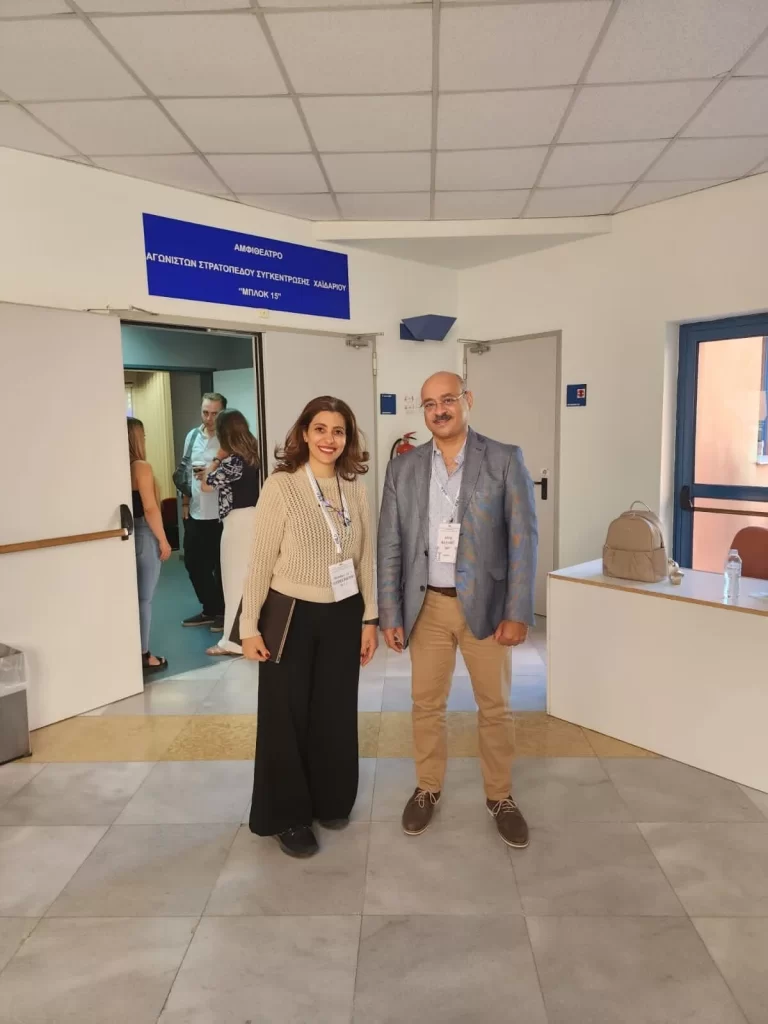
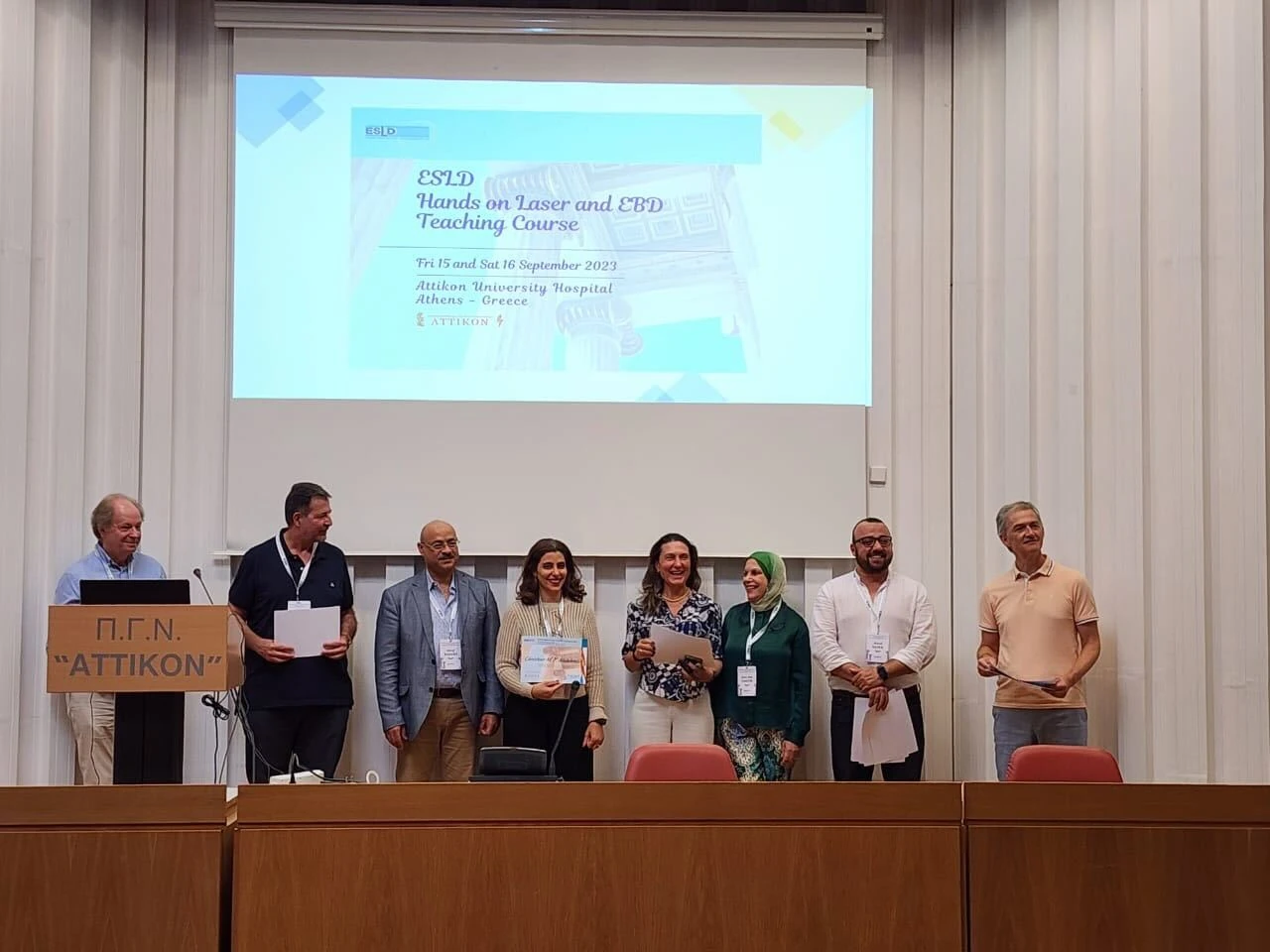
Exploring the Exciting Sessions of Hands-On Laser and EBD Teaching Courses

01/06/2025

Exploring the Exciting Sessions of Hands-On Laser and EBD Teaching Courses

Introduction:

Hands-on laser and EBD (Evidence-Based Design) teaching courses offer participants a unique opportunity to delve into the world of laser technology and evidence-based design principles. In this blog post, we will explore some of the exciting sessions that are typically included in these courses. From laser tissue interaction energy-based devices, these sessions provide valuable insights and practical skills that enable educators to enhance their teaching methodologies and create optimal learning environments.


  1. Laser Tissue Interaction:
    Understanding the fundamental principles of laser tissue interaction is crucial for utilizing laser technology effectively. In this session, participants learn about the interaction between lasers and various types of tissues. They explore topics such as laser absorption, scattering, and thermal effects on different tissue structures. By gaining insights into laser tissue interaction, educators can better comprehend the applications and limitations of laser technology in medical, cosmetic, and research fields.
  2. Laser Safety:
    Laser safety is of paramount importance when working with such powerful and versatile technology. In this session, participants are trained in laser safety protocols, emphasizing the importance of proper handling, maintenance, and protective measures. They learn about laser classifications, personal protective equipment (PPE), and safety guidelines to ensure a secure working environment. This knowledge enables educators to prioritize the safety of themselves and their students when incorporating lasers into their teaching.
  3. Photo thermolysis:
    Photo thermolysis is a key concept in laser technology that involves selective destruction of specific target tissues using laser energy. This session focuses on the principles and applications of photo thermolysis in various dermatological and medical procedures. Participants gain insights into the different types of lasers used for specific treatments and understand the factors influencing treatment parameters such as Florence, pulse duration, and spot size. This knowledge equips educators to discuss and teach the applications of photo thermolysis effectively.
  4. Laser Hair Removal:
    Laser hair removal is one of the most widely recognized applications of laser technology in the cosmetic field. In this session, participants learn about the science behind laser hair removal, including the targeting of melanin in hair follicles for selective destruction. They explore different laser systems and techniques employed for hair removal, as well as pre- and post-treatment care. Educators can incorporate this knowledge to introduce the concepts and process of laser hair removal to students interested in dermatology or cosmetic procedures.
  5. Vascular Lesions, Pigmented Lesions, and Rejuvenation:
    This session focuses on the treatment of vascular and pigmented lesions, as well as skin rejuvenation using laser technology. Participants learn about the principles of selective photo thermolysis and the specific lasers used for these treatments. They explore various types of vascular and pigmented lesions, such as port-wine stains, hemangiomas, age spots, and melasma. Educators can gain valuable insights to teach students about the applications, benefits, and limitations of laser treatments for these conditions.
  6. Energy-Based Devices:
    In addition to lasers, energy-based devices (EBDs) play a significant role in medical and cosmetic treatments. This session introduces participants to different types of EBDs, such as radio frequency, intense pulsed light (IPL), and ultrasound devices. They explore the principles of energy-based treatments, including skin tightening, body contouring, and non-invasive rejuvenation. Educators can incorporate this knowledge to broaden students’ understanding of alternative energy-based modalities in the field of aesthetics and dermatology.

Hands-on laser and EBD teaching courses offer a wide range of sessions that equip educators with valuable knowledge and practical skills. From understanding laser tissue interaction to exploring various applications such as laser hair removal, vascular lesions, pigmented lesions, and rejuvenation, these courses empower educators to incorporate laser technology and evidence-based design principles into their teaching methodologies. By embracing these innovative approaches, educators can create engaging learning experiences and inspire students to explore the fascinating world of laser technology and energy-based devices.

Medical Paper
9 min read

Dr. Christeen Youssef’s Pioneering Work in Botulinum Neurotoxin Research Now on PubMed

01/06/2025

Dr. Christeen Youssef’s Pioneering Work in Botulinum Neurotoxin Research Now on PubMed

Consensus Statement on the Use of Botulinum Neurotoxin in the Middle East

Abstract

Background: Aesthetic minimally invasive procedures have become very popular and culturally acceptable among Middle Eastern populations. Botulinum neurotoxin type A (BoNTA) is a valuable treatment modality for many cosmetic as well as therapeutic indications. The presence of BoNTA in our toolkit has revolutionized the field of aesthetic medicine to the point where it is now one of the most commonly performed cosmetic procedures worldwide. This consensus considers popular on- and off-label BoNTA indications in the Middle East.

Methods: A multinational group of ten key opinion leaders, experts in facial plastic surgery and dermatology, convened the Middle East Aesthetics Consensus Group and reviewed the aesthetic applications of BoNTA. Recommendations and position statements were drafted based on the integration of the panel’s clinical experience with published data, targeted to the practices implemented in the Middle Eastern and the global population.

Results: Guidance statements are presented covering Middle Eastern facial characteristics and beauty ideals, BoNTA characteristics, pre-operative counselling, treatment indications and anatomical considerations, off-label and special uses including high-dose recommendations, and post-treatment advice. Throughout, an evidence-based approach to selection of products and injection techniques is provided, supplemented by the experts’ advice on injections dosages and placement.

Conclusion: This consensus reflects the knowledge and expertise of physicians practicing in the Middle East. The panel acknowledged the use of on-label indications and variability in the toxin formulations and immunogenicity and agreed upon a wide use of “off-label” indications.

Keywords: Middle East; aesthetic use; botulinum neurotoxin type A; consensus.

Conflict of interest statement

The authors report no conflicts of interest in this work.

References

  1. International Society of Aesthetic Plastic Surgery (ISAPS). ISAPS international survey on aesthetic/cosmetic procedures performed in 2019. Available from:https://www.isaps.org/wp-content/uploads/2020/12/Global-Survey-2019.pdf  Accessed January 8, 2023.
  2. The middle east population; 2022. Available from: https://worldpopulationreview.com/continents/the-middle-east-population. Accessed June 16, 2022.
  3. Kashmar M, Alsufyani MA, Ghalamkarpour F, et al. Consensus opinions on facial beauty and implications for aesthetic treatment in Middle Eastern women. Plast Reconstr Surg Glob Open. 2019;7(4):e2220. doi:10.1097/GOX.0000000000002220 – DOI – PMC – PubMed
  4. Yutskovskaya Y, Gubanova E, Khrustaleva I, et al. IncobotulinumtoxinA in aesthetics: Russian multidisciplinary expert consensus recommendations. Clin Cosmet Investig Dermatol. 2015;8:297–306. doi:10.2147/CCID.S72301 – DOI – PMC – PubMed
  5. Sundaram H, Huang PH, Hsu NJ, et al; Pan-Asian Aesthetics Toxin Consensus Group. Aesthetic applications of botulinum toxin A in Asians: an international, multidisciplinary, pan-asian consensus. Plast Reconstr Surg Glob Open. 2016;4(12):e872. doi:10.1097/GOX.0000000000000507 – DOI – PMC – PubMed
  6. Sundaram H, Signorini M, Liew S, et al.; Global Aesthetics Consensus Group. Global aesthetics consensus: botulinum toxin type a–evidence-based review, emerging concepts, and consensus recommendations for aesthetic use, including updates on complications. Plast Reconstr Surg. 2016;137(3):518e–529e. doi:10.1097/01.prs.0000475758.63709.23 – DOI – PMC – PubMed
  7. Farkas LG, Katic MJ, Forrest CR, et al. International anthropometric study of facial morphology in various ethnic groups/races. J Craniofac Surg. 2005;16(4):615–646. doi:10.1097/01.scs.0000171847.58031.9e – DOI – PubMed
  8. Al-Sebaei MO. The validity of three neo-classical facial canons in young adults originating from the Arabian Peninsula. Head Face Med. 2015;11(1):4. doi:10.1186/s13005-015-0064-y – DOI – PMC – PubMed
  9. El Minawi H, El Saloussy Y, Sabry M, Wahdan W, El Sharkawy O. Facial anthropometry and analysis in Egyptian women. Plast Reconstr Surg Glob Open. 2022;10(5):e4333. doi:10.1097/GOX.0000000000004333 – DOI – PMC – PubMed
  10. Samizadeh S, De Boulle K. Botulinum neurotoxin formulations: overcoming the confusion. Clin Cosmet Investig Dermatol. 2018;11:273–287. doi:10.2147/CCID.S156851 – DOI – PMC – PubMed
  11. Kerscher M, Roll S, Becker A, Wigger-Alberti W. Comparison of the spread of three botulinum toxin type A preparations. Arch Dermatol Res. 2012;304(2):155–161. doi:10.1007/s00403-011-1179-z – DOI – PubMed
  12. Grein S, Mander GJ, Fink K. Stability of botulinum neurotoxin type A, devoid of complexing proteins. Botulinum J. 2011;2(1):49–58. doi:10.1504/TBJ.2011.041815 – DOI
  13. Carr WW, Jain N, Sublett JW. Immunogenicity of botulinum toxin formulations: potential therapeutic implications. Adv Ther. 2021;38(10):5046–5064. doi:10.1007/s12325-021-01882-9 – DOI – PMC – PubMed
  14. Fathallah AM, Bankert RB, Balu-Iyer SV. Immunogenicity of subcutaneously administered therapeutic proteins–a mechanistic perspective. AAPS J. 2013;15(4):897–900. doi:10.1208/s12248-013-9510-6 – DOI – PMC – PubMed
  15. Bellows S, Jankovic J. Immunogenicity associated with botulinum toxin treatment. Toxins. 2019;11(9):491. doi:10.3390/toxins11090491 – DOI – PMC – PubMed
  16. Kerscher M, Wanitphakdeedecha R, Trindade de Almeida A, Maas C, Frevert J. IncobotulinumtoxinA: a highly purified and precisely manufactured botulinum neurotoxin type A. J Drugs Dermatol. 2019;18(1):52–57. – PubMed
  17. Carey WD. Incorrect reconstitution of incobotulinumtoxinA leads to loss of neurotoxin. J Drugs Dermatol. 2014;13(6):735–738. – PubMed
  18. Niamtu J. Neurotoxin waste from drawing product through the vial stopper. J Clin Aesthet Dermatol. 2014;7(6):33–37. – PMC – PubMed
  19. Thomas JP, Siupsinskiene N. Frozen versus fresh reconstituted botox for laryngeal dystonia. Otolaryngol Head Neck Surg. 2006;135(2):204–208. doi:10.1016/j.otohns.2006.04.001 – DOI – PubMed
  20. Soares DJ, Dejoseph LM, Zuliani GF, Liebertz DJ, Patel VS. Impact of postreconstitution room temperature storage on the efficacy of incobotulinumtoxinA treatment of dynamic lateral canthus lines. Dermatol Surg. 2015;41(6):712–717. doi:10.1097/DSS.0000000000000365 – DOI – PubMed
  21. Wright G, Lax A, Mehta SB. A review of the longevity of effect of botulinum toxin in wrinkle treatments. Br Dent J. 2018;224(4):255–260. doi:10.1038/sj.bdj.2018.126 – DOI – PubMed
  22. Frevert J. Pharmaceutical, biological, and clinical properties of botulinum neurotoxin type A products. Drugs R D. 2015;15(1):1–9. doi:10.1007/s40268-014-0077-1 – DOI – PMC – PubMed
  23. Car H, Bogucki A, Bonikowski M, et al. Botulinum toxin type-A preparations are not the same medications — basic science (Part 1). Neurol Neurochir Pol. 2021;55(2):133–140. doi:10.5603/PJNNS.a2021.0027 – DOI – PubMed
  24. DYSPORT® Prescribing Information. Available from: https://www.accessdata.fda.gov/drugsatfda_docs/label/2016/125274s107lbl.pdf. Accessed October 3, 2023.
  25. BOTOX© Prescribing Information. Available from: https://www.accessdata.fda.gov/drugsatfda_docs/label/2011/103000s5232lbl…. Accessed October 3, 2023.
  26. XEOMIN© Prescribing Information. Available from: https://www.accessdata.fda.gov/drugsatfda_docs/label/2020/125360s078lbl.pdf. Accessed October 3, 2023.
  27. Carruthers A, Carruthers J, Cohen JL. Dilution volume of botulinum toxin type A for the treatment of glabellar rhytides: does it matter? Dermatol Surg. 2007;33(1):S97–S104. doi:10.1111/j.1524-4725.2006.32339.x – DOI – PubMed
  28. Trindade De Almeida AR, Secco LC, Carruthers A. Higher dilution associated with higher diffusion and less efficacy. Handling botulinum toxins: an updated literature review. Dermatol Surg. 2011;37(H):1553–1565. doi:10.1111/j.1524-4725.2011.02087.x – DOI – PubMed
  29. Cohen JL, Ozog DM, Editors. Botulinum Toxins: Cosmetic and Clinical Applications. First ed. JohnWiley & Sons Ltd; 2017. Available from: www.wiley.com/go/cohen/botulinum. Accessed October 3, 2023.
  30. Kaidbey KH, Agin PP, Sayre RM, Kligman AM. Photoprotection by melanin, a comparison of black and Caucasian skin. J Am Acad Dermatol. 1979;1(3):249–260. doi:10.1016/S0190-9622(79)70018-1 – DOI – PubMed
  31. Hexsel DM, Hexsel CL, Brunetto LI. Botulinum toxin. In: Grimes PE, editor. Aesthetic and Cosmetic Surgery for Darker Skin Types. Philadelphia, PA: Lippincott Williams and Wilkins; 2008:211–224.
  32. Montagna W, Prota G, Kenney J. The structure of black skin. In: Montagna W, Prota G, Kenney J, editors. Black Skin Structure and Function. Gulf Professional Publishing; 1993.
  33. Sugino K, Imokawa G, Maibach H. Ethnic differences in stratum corneum lipid in relation to stratum corneum function. J Invest Dermatol. 1993;100:594.
  34. Yi KH, Lee JH, Hu HW, Kim HJ. Anatomical proposal for botulinum neurotoxin injection for glabellar frown lines. Toxins. 2022;14(4):268. doi:10.3390/toxins14040268 – DOI – PMC – PubMed
  35. Yi KH, Lee JH, Kim GY, Yoon SW, Oh W, Kim HJ. Novel anatomical proposal for botulinum neurotoxin injection targeting lateral canthal rhytids. Toxins. 2022;14(7):462. doi:10.3390/toxins14070462 – DOI – PMC – PubMed
  36. Amiri L, Galadari H, Al Mugaddam F, Souid AK, Stip E, Javaid SF. Perception of cosmetic procedures among Middle Eastern Youth. J Clin Aesthet Dermatol. 2021;14(12):E74–E83. – PMC – PubMed
  37. Yi KH, Lee JH, Lee K, Hu HW, Lee HJ, Kim HJ. Anatomical proposal for botulinum neurotoxin injection targeting the platysma muscle for treating platysmal band and jawline lifting: a review. Toxins. 2022;14(12):868. doi:10.3390/toxins14120868 – DOI – PMC – PubMed
  38. Phan K, Younessi S, Dubin D, Lin MJ, Khorasani H. Emerging off-label esthetic uses of botulinum toxin in dermatology. Dermatol Ther. 2022;35(1):e15205. doi:10.1111/dth.15205 – DOI – PubMed
  39. Baker A. Off-label cosmetic use of botulinum toxin in the lower face. Pmfa News|February/March 2016|Vol 3 No 3; 2016.
  40. Munavalli GS, Benedetto AV, Biesman BS, Cutler Peck CM. Treatment of the periocular area – crow’s feet, brow, and bunny lines. In: Cohen JL, Ozog DM, editors. Botulinum Toxins: Cosmetic and Clinical Applications. Wiley Online Library;2017. doi:10.1002/9781118661833.ch12 – DOI
  41. Shirshakova M, Morozova E, Sokolova D, Pervykh S, Smirnova L. The effectiveness of botulinum toxin type A (BTX-A) in the treatment of facial skin oily seborrhea, enlarged pores, and symptom complex of post-acne. Int J Dermatol. 2021;60(10):1232–1241. doi:10.1111/ijd.15574 – DOI – PubMed
  42. Allen S, Sengelmann R, Simmons R. Treatment of the perioral area. In: Cohen JL, Ozog DM, editors. Botulinum Toxins: Cosmetic and Clinical Applications. Wiley Online Library;2017. doi:10.1002/9781118661833.ch14 – DOI
  43. Yi KY, Lee JH, Hu HW, Kim HJ. Novel anatomical guidelines on botulinum neurotoxin injection for wrinkles in the nose region. Toxins. 2022;14(5):342. doi:10.3390/toxins14050342 – DOI – PMC – PubMed
  44. Hur MS, Lee S, Jung HS, Schneider RA, Cray JJ. Anatomical connections among the depressor supercilii, levator labii superioris alaeque nasi, and inferior fibers of orbicularis oculi: implications for variation in human facial expressions. PLoS One. 2022;17(3):e0264148. doi:10.1371/journal.pone.0264148 – DOI – PMC – PubMed
  45. Yi KH, Lee JH, Hu HW, et al. Novel anatomical guidelines for botulinum neurotoxin injection in the mentalis muscle: a review. Anat Cell Biol. 2023;56(3):293–298. doi:10.5115/acb.22.266 – DOI – PMC – PubMed
  46. Choi DY, Bae H, Bae JH, Kim HJ, Hu KS. Effective locations for injecting botulinum toxin into the mentalis muscle; cadaveric and ultrasonographic study. Toxins. 2021;13(2):96. doi:10.3390/toxins13020096 – DOI – PMC – PubMed
  47. Yi KH, Lee JH, Hu HW, et al. Novel anatomical proposal for botulinum neurotoxin injection targeting depressor anguli oris for treating drooping mouth corner. Anat Cell Biol. 2023;56(2):161–165. doi:10.5115/acb.22.258 – DOI – PMC – PubMed
  48. Kaufman-Janette J, Cox SE, Dayan S, Joseph J. Botulinum toxin type a for glabellar frown lines: what impact of higher doses on outcomes? Toxins. 2021;13(7):494. doi:10.3390/toxins13070494 – DOI – PMC – PubMed
  49. Dayan S, Joseph J, Moradi A, et al. Subject satisfaction and psychological well-being with escalating abobotulinumtoxinA injection dose for the treatment of moderate to severe glabellar lines. J Cosmet Dermatol. 2022;21(6):2407–2416. doi:10.1111/jocd.14906 – DOI – PMC – PubMed
  50. Fabi SG, Carruthers J, Joseph J, et al. High-dose neuromodulators: a roundtable on making sense of the data in real-world clinical practice. Aesthet Surg J Open Forum. 2021;3(4):ojab036. doi:10.1093/asjof/ojab036 – DOI – PMC – PubMed

QUICK LINK

  • HOME
  • ABOUT ME
  • MY GALLERY
  • CASE STUDY
  • TESTIMONIALS
  • BLOG

REACH ME

  • christeen.youssef@everlastwellness.com
  • +971 600 551615
  • 446 Al Khaleej Al Arabi St - Al Bateen - Abu Dhabi - UAE
Facebook-f Linkedin Instagram Snapchat Tiktok Whatsapp Youtube

QUICK LINK

  • HOME
  • ABOUT ME
  • MY GALLERY
  • CASE STUDY
  • TESTIMONIALS
  • BLOG

REACH ME

  • christeen.youssef@everlastwellness.com
  • +971 600 551615
  • 446 Al Khaleej Al Arabi St - Al Bateen - Abu Dhabi - UAE