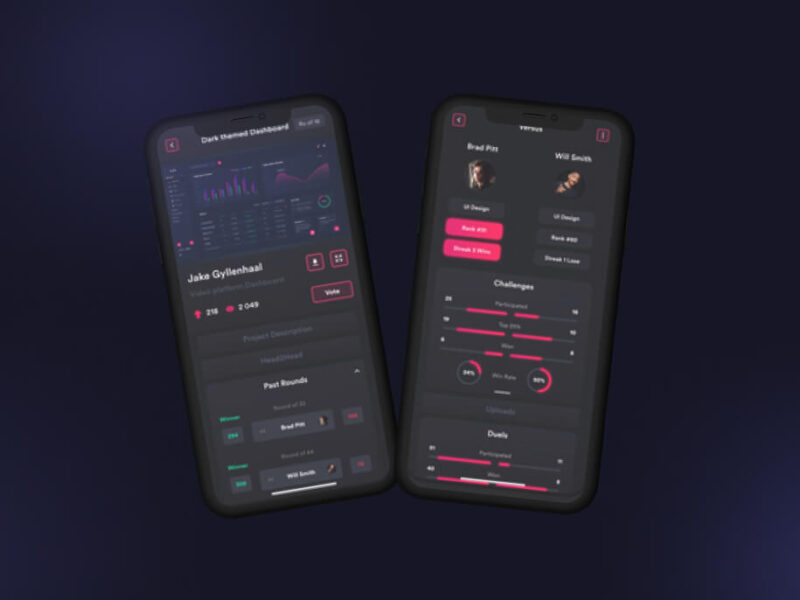
NFT Dashboard Application Development.
Through a wide variety of mobile applications, we’ve developed a unique visual system.
- Client George Wallace
- Date 15 June 2022
- Services Web Application
- Budget $100000+
I throw myself down among the tall grass by the stream as Ilie close to the earth.
Through a wide variety of mobile applications, we’ve developed a unique visual system.
There are always some stocks, which illusively scale lofty heights in a given time period. However, the good show doesn’t last for these overblown toxic stocks as their current price is not justified by their fundamental strength.
A strategy is a general plan to achieve one or more long-term. labore et dolore magna aliqua.
UI/UX Design, Art Direction, A design is a plan or specification for art. which illusively scale lofty heights.
User experience (UX) design is the process design teams use to create products that provide.
Toxic companies are usually characterized by huge debt loads and are vulnerable to external shocks. Accurately identifying such bloated stocks and getting rid of them at the right time can protect your portfolio.
Overpricing of these toxic stocks can be attributed to either an irrational enthusiasm surrounding them or some serious fundamental drawbacks. If you own such bubble stocks for an inordinate period of time, you are bound to see a massive erosion of wealth.


However, if you can precisely spot such toxic stocks, you may gain by resorting to an investing strategy called short selling. This strategy allows one to sell a stock first and then buy it when the price falls.
While short selling excels in bear markets, it typically loses money in bull markets.
So, just like identifying stocks with growth potential, pinpointing toxic stocks and offloading them at the right time is crucial to guard one’s portfolio from big losses or make profits by short selling them. Heska Corporation HSKA, Tandem Diabetes Care, Inc. TNDM, Credit Suisse Group CS,Zalando SE ZLNDY and Las Vegas Sands LVS are a few such toxic stocks.Screening Criteria
Here is a winning strategy that will help you to identify overhyped toxic stocks:
Most recent Debt/Equity Ratio greater than the median industry average: High debt/equity ratio implies high leverage. High leverage indicates a huge level of repayment that the company has to make in connection with the debt amount.
Through a wide variety of mobile applications.

UI/UX Design, Art Direction, A design is a plan or specification for art viverra maecenas accumsan.
Through a wide variety of mobile applications, we’ve developed a unique visual system and strategy that can be applied across the spectrum of available applications.
Most recent Debt/Equity Ratio greater than the median industry average: High debt/equity ratio implies high leverage. High leverage indicates a huge level of repayment that the company has to make in connection with the debt amount.
Through a wide variety of mobile applications, we’ve developed a unique visual system and strategy that can be applied across the spectrum of available applications.
A strategy is a general plan to achieve one or more long-term.
UI/UX Design, Art Direction, A design is a plan or specification for art.
Lorem ipsum dolor sit amet, consectetur adipiscing elit, sed do eiusmod tempor incididunt ut labore et dolore magna aliqua. Quis ipsum suspendisse ultrices gravida. Risus commod viverra maecenas accumsan lacus vel facilisis. ut labore et dolore magna aliqua.


There are always some stocks, which illusively scale lofty heights in a given time period. However, the good show doesn’t last for these overblown toxic stocks as their current price is not justified by their fundamental strength.
Toxic companies are usually characterized by huge debt loads and are vulnerable to external shocks. Accurately identifying such bloated stocks and getting rid of them at the right time can protect your portfolio.
Overpricing of these toxic stocks can be attributed to either an irrational enthusiasm surrounding them or some serious fundamental drawbacks. If you own such bubble stocks for an inordinate period of time, you are bound to see a massive erosion of wealth.
However, if you can precisely spot such toxic stocks, you may gain by resorting to an investing strategy called short selling. This strategy allows one to sell a stock first and then buy it when the price falls.
While short selling excels in bear markets, it typically loses money in bull markets.
So, just like identifying stocks with growth potential, pinpointing toxic stocks and offloading them at the right time is crucial to guard one’s portfolio from big losses or make profits by short selling them. Heska Corporation HSKA, Tandem Diabetes Care, Inc. TNDM, Credit Suisse Group CS,Zalando SE ZLNDY and Las Vegas Sands LVS are a few such toxic stocks.Screening Criteria
Here is a winning strategy that will help you to identify overhyped toxic stocks:

Most recent Debt/Equity Ratio greater than the median industry average: High debt/equity ratio implies high leverage. High leverage indicates a huge level of repayment that the company has to make in connection with the debt amount.
Through a wide variety of mobile applications, we’ve developed a unique visual system and strategy that can be applied across the spectrum of available applications.
A strategy is a general plan to achieve one or more long-term.
UI/UX Design, Art Direction, A design is a plan or specification for art.
Lorem ipsum dolor sit amet, consectetur adipiscing elit, sed do eiusmod tempor incididunt ut labore et dolore magna aliqua. Quis ipsum suspendisse ultrices gravida. Risus commod viverra maecenas accumsan lacus vel facilisis. ut labore et dolore magna aliqua.
There are always some stocks, which illusively scale lofty heights in a given time period. However, the good show doesn’t last for these overblown toxic stocks as their current price is not justified by their fundamental strength.
Toxic companies are usually characterized by huge debt loads and are vulnerable to external shocks. Accurately identifying such bloated stocks and getting rid of them at the right time can protect your portfolio.


Overpricing of these toxic stocks can be attributed to either an irrational enthusiasm surrounding them or some serious fundamental drawbacks. If you own such bubble stocks for an inordinate period of time, you are bound to see a massive erosion of wealth.
However, if you can precisely spot such toxic stocks, you may gain by resorting to an investing strategy called short selling. This strategy allows one to sell a stock first and then buy it when the price falls.
While short selling excels in bear markets, it typically loses money in bull markets.
So, just like identifying stocks with growth potential, pinpointing toxic stocks and offloading them at the right time is crucial to guard one’s portfolio from big losses or make profits by short selling them. Heska Corporation HSKA, Tandem Diabetes Care, Inc. TNDM, Credit Suisse Group CS,Zalando SE ZLNDY and Las Vegas Sands LVS are a few such toxic stocks.Screening Criteria
Here is a winning strategy that will help you to identify overhyped toxic stocks:

Most recent Debt/Equity Ratio greater than the median industry average: High debt/equity ratio implies high leverage. High leverage indicates a huge level of repayment that the company has to make in connection with the debt amount.
Through a wide variety of mobile applications, we’ve developed a unique visual system and strategy that can be applied across the spectrum of available applications.
A strategy is a general plan to achieve one or more long-term.
UI/UX Design, Art Direction, A design is a plan or specification for art.
Lorem ipsum dolor sit amet, consectetur adipiscing elit, sed do eiusmod tempor incididunt ut labore et dolore magna aliqua. Quis ipsum suspendisse ultrices gravida. Risus commod viverra maecenas accumsan lacus vel facilisis. ut labore et dolore magna aliqua.
There are always some stocks, which illusively scale lofty heights in a given time period. However, the good show doesn’t last for these overblown toxic stocks as their current price is not justified by their fundamental strength.
Toxic companies are usually characterized by huge debt loads and are vulnerable to external shocks. Accurately identifying such bloated stocks and getting rid of them at the right time can protect your portfolio.


Overpricing of these toxic stocks can be attributed to either an irrational enthusiasm surrounding them or some serious fundamental drawbacks. If you own such bubble stocks for an inordinate period of time, you are bound to see a massive erosion of wealth.
However, if you can precisely spot such toxic stocks, you may gain by resorting to an investing strategy called short selling. This strategy allows one to sell a stock first and then buy it when the price falls.
While short selling excels in bear markets, it typically loses money in bull markets.
So, just like identifying stocks with growth potential, pinpointing toxic stocks and offloading them at the right time is crucial to guard one’s portfolio from big losses or make profits by short selling them. Heska Corporation HSKA, Tandem Diabetes Care, Inc. TNDM, Credit Suisse Group CS,Zalando SE ZLNDY and Las Vegas Sands LVS are a few such toxic stocks.Screening Criteria
Here is a winning strategy that will help you to identify overhyped toxic stocks:

Most recent Debt/Equity Ratio greater than the median industry average: High debt/equity ratio implies high leverage. High leverage indicates a huge level of repayment that the company has to make in connection with the debt amount.
The training provided by universities in order to prepare people to work in various sectors of the economy or areas of culture.
Higher education is tertiary education leading to award of an academic degree. Higher education, also called post-secondary education.
Secondary education or post-primary education covers two phases on the International Standard Classification of Education scale.
Google’s hiring process is an important part of our culture. Googlers care deeply about their teams and the people who make them up.
A popular destination with a growing number of highly qualified homegrown graduates, it's true that securing a role in Malaysia isn't easy.
The India economy has grown strongly over recent years, having transformed itself from a producer and innovation-based economy.
The training provided by universities in order to prepare people to work in various sectors of the economy or areas of culture.
Higher education is tertiary education leading to award of an academic degree. Higher education, also called post-secondary education.
Secondary education or post-primary education covers two phases on the International Standard Classification of Education scale.
Google’s hiring process is an important part of our culture. Googlers care deeply about their teams and the people who make them up.
A popular destination with a growing number of highly qualified homegrown graduates, it's true that securing a role in Malaysia isn't easy.
The India economy has grown strongly over recent years, having transformed itself from a producer and innovation-based economy.
The training provided by universities in order to prepare people to work in various sectors of the economy or areas of culture.
Higher education is tertiary education leading to award of an academic degree. Higher education, also called post-secondary education.
Secondary education or post-primary education covers two phases on the International Standard Classification of Education scale.
Google’s hiring process is an important part of our culture. Googlers care deeply about their teams and the people who make them up.
A popular destination with a growing number of highly qualified homegrown graduates, it's true that securing a role in Malaysia isn't easy.
The India economy has grown strongly over recent years, having transformed itself from a producer and innovation-based economy.
Maecenas finibus nec sem ut imperdiet. Ut tincidunt est ac dolor aliquam sodales. Phasellus sed mauris hendrerit, laoreet sem in, lobortis mauris hendrerit ante. Ut tincidunt est ac dolor aliquam sodales phasellus smauris test
Maecenas finibus nec sem ut imperdiet. Ut tincidunt est ac dolor aliquam sodales. Phasellus sed mauris hendrerit, laoreet sem in, lobortis mauris hendrerit ante. Ut tincidunt est ac dolor aliquam sodales phasellus smauris
All the Lorem Ipsum generators on the Internet tend to repeat predefined chunks as necessary
1 Page with Elementor
Design Customization
Responsive Design
Content Upload
Design Customization
2 Plugins/Extensions
Multipage Elementor
Design Figma
MAintaine Design
Content Upload
Design With XD
8 Plugins/Extensions
All the Lorem Ipsum generators on the Internet tend to repeat predefined chunks as necessary
5 Page with Elementor
Design Customization
Responsive Design
Content Upload
Design Customization
5 Plugins/Extensions
Multipage Elementor
Design Figma
MAintaine Design
Content Upload
Design With XD
50 Plugins/Extensions
All the Lorem Ipsum generators on the Internet tend to repeat predefined chunks as necessary
10 Page with Elementor
Design Customization
Responsive Design
Content Upload
Design Customization
20 Plugins/Extensions
Multipage Elementor
Design Figma
MAintaine Design
Content Upload
Design With XD
100 Plugins/Extensions
Insights from the 44th Annual Meeting of the ISDS – International Society for Dermatologic & Aesthetic Surgery
At the 44th Annual Meeting of the International Society for Dermatologic & Aesthetic Surgery (ISDS), held at the Hilton Yas Island in Abu Dhabi, Dr. Christeen Youssef, MD, delivered a groundbreaking presentation that challenges conventional wisdom about scar management.
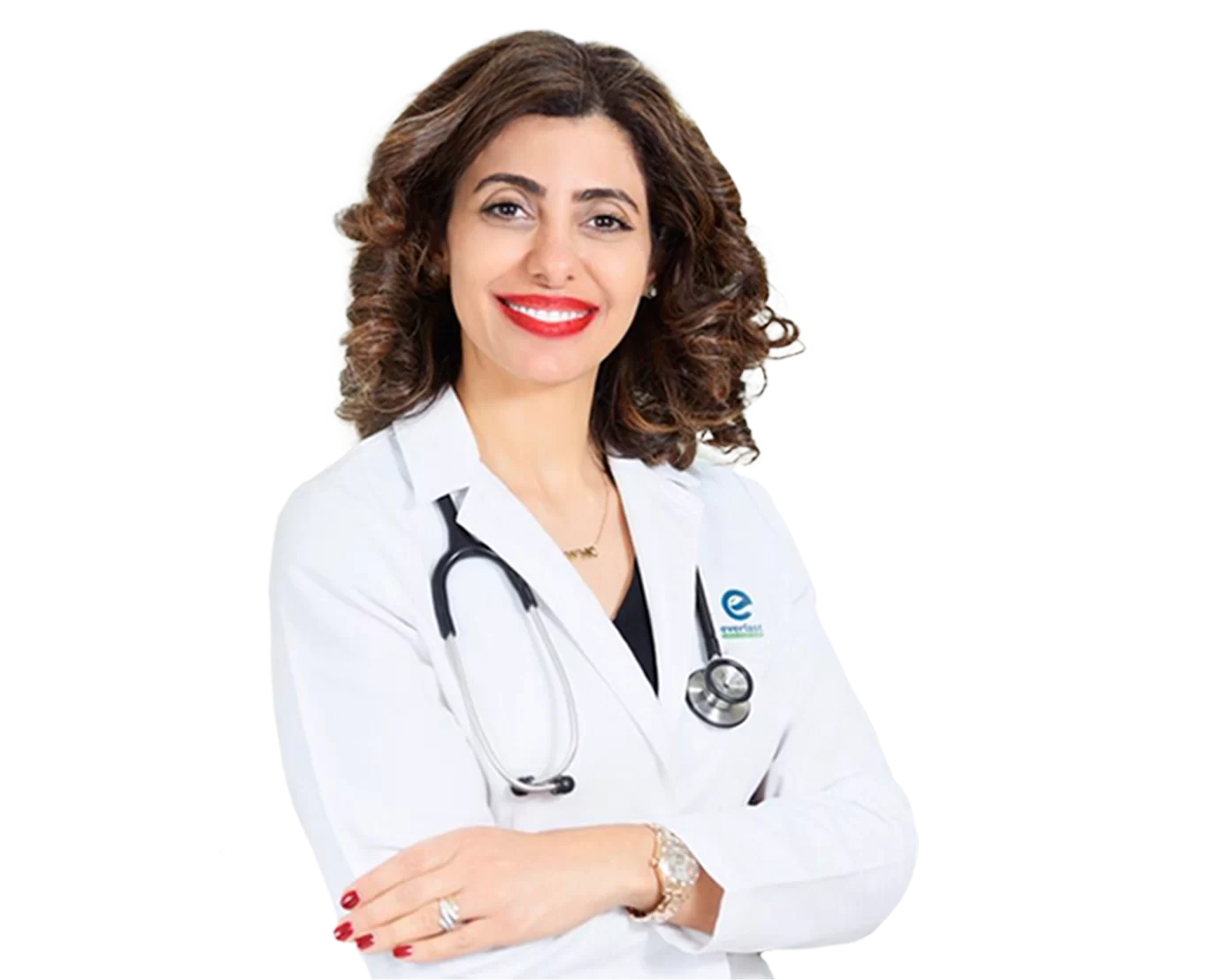
As the Director of Everlast Clinic, a leading human subject research center in Abu Dhabi specializing in nanofat and stem cell therapies, Dr. Youssef shared compelling evidence showing how early intervention combined with regenerative medicine is transforming the treatment of scars and wound healing worldwide.
Dr. Youssef began by highlighting the enormous scale of the global scar management challenge. Each year, approximately 12 million lacerations are sutured in the United States alone, and more than 250 million surgical incisions occur globally. The financial burden is staggering—over 20 billion USD is spent annually on scar management, with 170,000 scar revision procedures performed in the U.S. every year.
Globally, more than 100 million individuals in developed countries suffer from scar-related conditions, and over 10 million people are affected by keloids, one of the most challenging types of scars to treat.
Scarring occurs as part of the body’s natural wound-healing process, which includes four main stages: hemostasis, inflammation, proliferation, and remodeling. Problems arise during the later stages, when abnormal fibroblast proliferation and excessive extracellular matrix (ECM) deposition lead to what Dr. Youssef refers to as fibro-proliferative disorders.
The key cellular players involved include fibroblasts, myofibroblasts, keratinocytes, and macrophages. Among the molecular factors, transforming growth factor-beta (TGF-β) plays a critical role and is often overexpressed in pathological scars. Understanding when to upregulate or downregulate these growth factors is essential for successful scar modulation and prevention.
Despite decades of research, conventional scar treatments remain limited in effectiveness:
The main shortcomings of these methods include the inability to modulate collagen remodeling, limited depth of treatment, high recurrence, and lack of personalized approaches tailored to the individual patient’s biology.
Dr. Youssef presented a pioneering approach that integrates energy-based devices—particularly fractional laser therapy—with cell-based regenerative treatments such as nanofat, stromal vascular fraction (SVF), platelet-rich plasma (PRP), and stem cell therapy.
This combination works at multiple biological levels:
Dr. Youssef illustrated the real-world power of this approach through several inspiring case studies:
Case 1: The Glass Accident
A young man presented with facial lacerations from a glass injury. Early intervention included removal of the initial sutures, cosmetic reclosure, SVF injection, and fractional laser therapy within two weeks. Within six months, the scars were virtually invisible.
Case 2: The Bicycle Accident
A diplomat’s wife sustained a facial injury above her lip. She was treated immediately with SVF and fractional laser, avoiding surgery entirely. The result was complete scarless healing and restored confidence.
Case 3: The Burn Patient
A ten-year-old girl suffered extensive burns affecting her chest and surrounding areas. In cultures where visible scars can have profound psychosocial consequences, early combined treatment made an extraordinary difference. With nanofat and fractional laser therapy, the patient achieved remarkable skin regeneration—restoring both her appearance and self-esteem
Dr. Youssef’s most important message to clinicians was clear: early intervention is essential.
While traditional protocols advise waiting six months or more before initiating scar therapy, new evidence supports starting treatment as early as two to three weeks post-injury. Studies comparing SVF therapy to saline controls have demonstrated significantly improved healing and aesthetic outcomes when early intervention is applied—even in challenging keloid cases.
Key Takeaways
At Everlast Clinic, Dr. Youssef and her team are conducting advanced clinical studies on wound healing, diabetic ulcers, and scar management, contributing valuable evidence to the growing field of regenerative dermatology. The clinic has even received referrals from the Department of Health (DOH) in Abu Dhabi, reflecting increasing institutional recognition of these emerging therapies.
While Dr. Youssef acknowledges that we are still in the early stages of understanding and optimizing nanofat and regenerative approaches, she emphasizes the urgent need for more clinical studies, research collaborations, and scientific awareness to advance this promising field.
Scar therapy is entering a new era. With the integration of cell-based regenerative medicine, smart nanomaterials, and advanced laser technologies, physicians can now achieve outcomes once thought impossible—even in severe cases like keloids and burns.
Dr. Christeen Youssef’s pioneering work in Abu Dhabi represents the forefront of this transformation, uniting science, technology, and compassion to redefine what healing can look like.
“Early intervention changes everything,” Dr. Youssef emphasizes. “We are not just treating scars — we are restoring confidence, beauty, and quality of life.”
Based on Dr. Christeen’s speech at the 16th Abu Dhabi Wound Care Conference (ADWCC) 2025, organized by the IWCG.

Diabetic foot ulcers are among the most serious complications for people with diabetes. These wounds are slow to heal due to poor blood flow and nerve damage, making them prone to infection, long hospital stays, and, in severe cases, amputation. Traditional treatments—like dressings, antibiotics, and debridement—often do not heal these ulcers quickly or completely, especially in chronic cases.
Stromal Vascular Fraction (SVF) is a mixture of regenerative cells taken from a patient’s own fat tissue. SVF contains:

The collection and injection process is quick and minimally invasive. SVF is usually injected around the wound site to support healing.
SVF works in several ways to encourage wound healing:
A major clinical study involving 63 patients with chronic, non-healing diabetic foot ulcers (all at risk of amputation) found that:

These results indicate that SVF can be safely used to treat chronic diabetic foot ulcers, with evidence of efficacy and mechanisms of action that include vascular repair and angiogenesis
What is SVF, and how is it collected?
SVF is a blend of healing cells taken from a small amount of the patient’s fat. The fat is processed, and the SVF is reinjected around the wound to support healing.
Is SVF therapy safe?
Yes. Clinical studies show SVF therapy is generally safe, with no serious side effects reported. Minor discomfort or swelling may occur at the injection site.
How does SVF compare to traditional treatments?
SVF leads to faster and more complete healing, especially in patients who haven’t responded to standard therapies
Who is a candidate for SVF therapy?
Patients with chronic or non-healing diabetic foot ulcers, especially those at risk of amputation, may benefit. Medical consultation is needed to confirm suitability.
How is SVF administered for diabetic foot ulcers?
SVF is injected around the wound and sometimes along the arteries of the foot to promote healing and improve blood flow
Are there any risks or side effects with SVF therapy?
No major side effects have been reported in clinical studies. Minor risks, such as infection or discomfort at the injection site, are possible but rare.
Can SVF therapy prevent amputation in diabetic foot patients?
Yes, studies suggest that SVF therapy can help prevent limb loss by promoting healing in wounds that would otherwise require amputation
SVF therapy offers new hope to patients with diabetic foot ulcers. It is safe, minimally invasive, and backed by scientific evidence. As more clinics adopt this approach, SVF may soon become a standard treatment, helping more people heal and avoid amputation.
Dr. Christeen, owner of Everlast Wellness Medical Center, recently shared a groundbreaking advancement in burn scar treatment on the “Sabah Al Emarat” TV program. Discover how tissue bio-engineering is rewriting the lives of burn survivors, offering renewed hope and confidence.
Tissue bio-engineering represents a modern leap in regenerative medicine, leveraging the body’s innate ability to regenerate and heal skin tissue. This technique stimulates natural skin regrowth by combining biological materials with components from the patient’s body.
Imagine your skin as a house that needs repair. Instead of using foreign materials, tissue bio-engineering uses the original “bricks” (skin cells) and “building supplies” (growth factors) from your body to rebuild.
The clinical benefits are immense:
Timely intervention yields the best results:
This treatment is effective for various burn types:
Burn survivors often struggle with trauma, isolation, and diminished self-esteem. Tissue engineering addresses not just the physical scars but also the emotional wounds.
Consider the story of “Yousef” (not his real name), who suffered severe chest scars and profound psychological distress. Through dedicated treatment sessions, he rediscovered hope and a desire to help others facing similar struggles.
Compared to traditional methods, bio-tissue engineering is economically sound:
I am available for freelance work. Connect with me via and call in to my account.
Phone: +01234567890 Email: admin@example.com